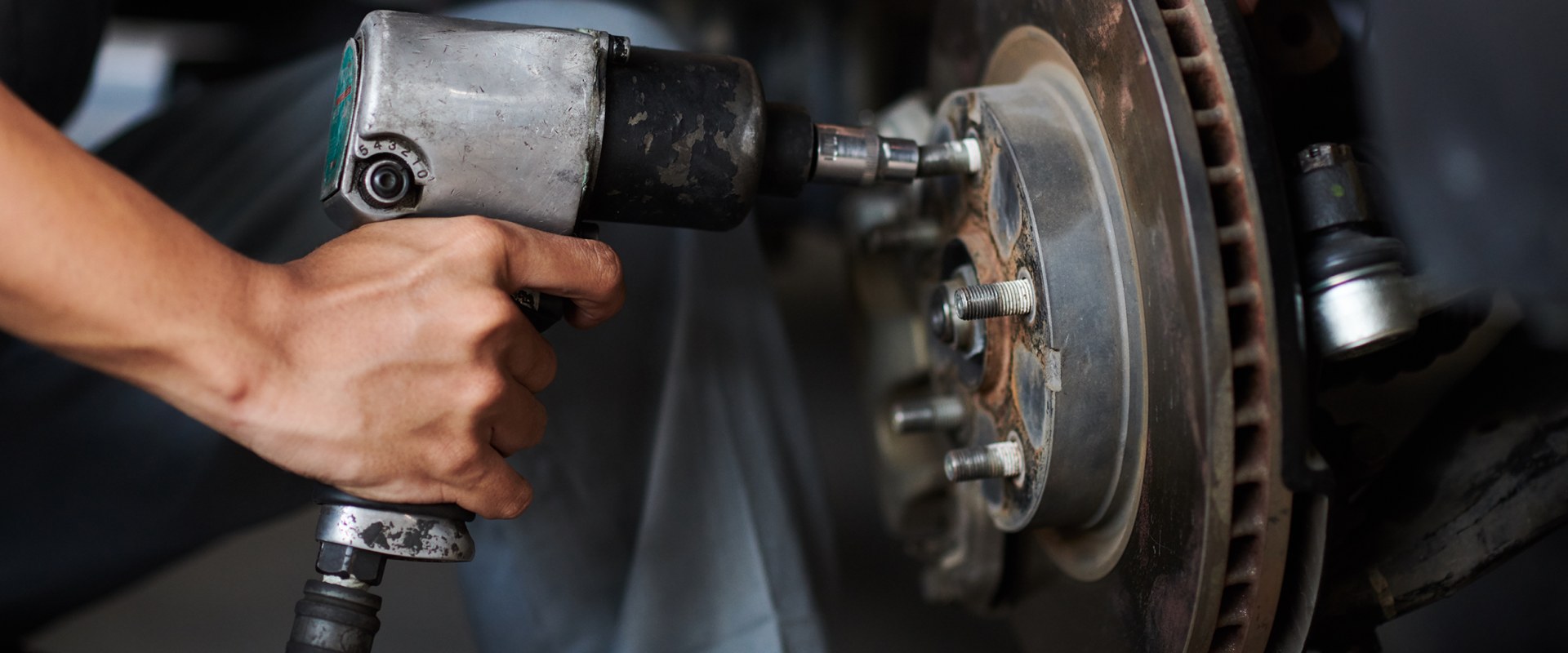
When it comes to vehicle safety and performance, brake system issues rank among the most critical concerns for any driver. A malfunctioning brake system can lead to serious accidents, jeopardizing not only your safety but also that of others on the road. Understanding and addressing brake system issues is essential for maintaining your vehicle's reliability and ensuring peace of mind while driving. In this comprehensive guide, we delve into the common problems associated with brake systems, from squeaky brakes to complete brake failure. Whether you're a seasoned mechanic or a car owner looking to enhance your knowledge, our troubleshooting guide will equip you with the information you need to identify potential issues and implement effective fixes.
We will explore the symptoms of various brake system malfunctions, the underlying causes, and practical solutions that can restore your vehicle's braking efficiency. Join us as we navigate through the intricacies of brake systems, providing insights that will empower you to tackle these problems head-on. With a better understanding of how your brakes function and how to address any issues that arise, you can ensure safer travels and prolong the life of your vehicle. The brake system is a critical component of any vehicle, ensuring safety and control while driving. A properly functioning brake system can mean the difference between a safe stop and a potential accident. Understanding the various components of the brake system is essential for identifying and resolving brake system issues.
The primary components include brake pads, rotors, calipers, and brake fluid, each playing a vital role in the overall functionality of the system. Starting with the brake pads, these are the components that create friction against the rotors to slow down or stop the vehicle. Common issues with brake pads include wear and tear, which can be identified by listening for squeaking or grinding noises during braking. To check for wear, drivers should inspect the thickness of the pads; if they are less than 1/4 inch thick, it’s time to replace them. Additionally, if the brake pedal feels soft or spongy, it may indicate that the pads are worn unevenly or that there is air in the brake lines.
Replacing worn brake pads promptly is crucial to prevent damage to other components like rotors. Next, we have the rotors, which are metal discs that spin with the wheels. When brake pads press against these rotors, friction is created, allowing the vehicle to slow down. A common problem with rotors is warping, which can occur due to excessive heat from prolonged braking or heavy use. Signs of warped rotors include vibration in the steering wheel when braking or a pulsating sensation in the brake pedal.
To troubleshoot this issue, drivers can visually inspect the rotors for any irregularities or grooves. If warping is suspected, it’s advisable to consult a professional mechanic who can measure rotor thickness and determine if they need resurfacing or replacement. The calipers are another essential component of the brake system. They house the pistons that push against the brake pads when the brake pedal is pressed. Common problems with calipers can include sticking or seizing, often caused by corrosion or dirt buildup.
Symptoms of caliper issues may manifest as uneven wear on the brake pads or a dragging sensation while driving. To check for caliper problems, drivers should look for signs of fluid leaks around the caliper area or listen for unusual noises when braking. If a caliper is found to be faulty, it should be replaced immediately to ensure optimal braking performance. Additionally, it’s important to consider brake fluid, which is essential for transferring force from the brake pedal to the brakes themselves. Low brake fluid levels can lead to reduced braking power and may trigger warning lights on the dashboard.
Drivers should regularly check their brake fluid level and ensure it remains within the recommended range. If there are significant drops in fluid levels without visible leaks, it could indicate internal issues within the braking system that require professional inspection. Real-life scenarios illustrate how these components work together and how their failure can lead to serious safety concerns. For instance, if a driver experiences reduced braking distance due to worn rotors, they may not be able to stop in time during an emergency situation. Similarly, if worn brake pads are not replaced in time, they can lead to metal-on-metal contact with rotors, causing extensive damage and requiring costly repairs. To prevent brake system issues, regular maintenance practices are vital.
Drivers should schedule routine inspections and replace brake pads before they become too worn. Additionally, flushing and replacing old brake fluid every couple of years can help maintain hydraulic pressure within the system. Keeping an ear out for unusual noises and paying attention to changes in braking performance can also help catch potential issues early. If drivers encounter persistent problems despite following these troubleshooting steps, consulting a professional mechanic is strongly recommended. They have the expertise and tools necessary to diagnose complex issues accurately and ensure that vehicles remain safe on the road.
When to Seek Professional Help
While many brake system issues can be resolved through DIY fixes, there are specific scenarios where professional assistance is crucial.If you encounter persistent problems such as a spongy brake pedal, frequent brake warning lights, or a complete loss of braking power, it is essential to seek help from a qualified mechanic. These symptoms may indicate serious underlying issues that could compromise your vehicle's safety. Another important scenario is when you hear unusual sounds like grinding or clunking when applying the brakes. Such noises often suggest that the brake pads are worn down or that other critical components, like rotors or calipers, may need immediate attention. Ignoring these signs can lead to more extensive damage and costly repairs down the line. Additionally, if you have attempted basic troubleshooting and the problem persists, do not hesitate to consult a professional.
Mechanics have specialized tools and expertise to diagnose complex issues accurately. They can perform comprehensive inspections and provide solutions that go beyond simple fixes, ensuring your brake system functions optimally. In summary, while DIY repairs can be beneficial for minor brake system issues, recognizing when to seek professional help is vital for maintaining your vehicle's safety and reliability.
Preventative Maintenance Tips
Maintaining your vehicle's brake system is crucial for ensuring safety and performance on the road. Regular preventative maintenance can help you avoid costly repairs and enhance the longevity of your brakes. Here are some essential tips to keep your brake system in optimal condition:1.Regular Inspections: Schedule routine inspections of your brake system, ideally every 6 months or as recommended by your vehicle manufacturer.A professional technician can check for wear and tear, ensuring all components function correctly.
2.Brake Pad Replacement:
Brake pads wear down over time and need to be replaced periodically. Check the thickness of your brake pads regularly and replace them if they are less than a quarter-inch thick.3.Brake Fluid Checks:
The brake fluid level should be checked regularly, as low fluid can lead to decreased braking performance. Ensure that the fluid is clean and at the proper level; consider flushing the brake fluid every 2 years to remove moisture and contaminants.4.Listen for Noises:
Pay attention to any unusual sounds when braking, such as squeaking or grinding. These noises can indicate worn brake pads or other issues that need immediate attention.5.Monitor Brake Warning Lights:
If your vehicle’s dashboard displays a brake warning light, do not ignore it.This indicator often signifies issues with the brake system that require prompt diagnosis and repair.
6.Tire Maintenance:
Properly maintained tires contribute to effective braking performance. Ensure that your tires are adequately inflated and have sufficient tread depth to enhance overall safety.7.Avoid Heavy Braking:
Whenever possible, practice smooth acceleration and deceleration to minimize wear on your brakes. Heavy braking can lead to premature wear and overheating of brake components. By following these preventative maintenance tips, you can significantly reduce the likelihood of encountering brake system issues in the future, ensuring a safer driving experience.Identifying Common Brake System Problems
Understanding the brake system issues your vehicle may experience is essential for maintaining safety on the road. Here are some specific symptoms that indicate problems with your brake system:Squeaking or Squealing Noises: If you hear a high-pitched squeaking sound when applying the brakes, it may indicate that the brake pads are worn down and need replacement.Additionally, this noise can signify that the brake rotors are damaged or that debris is lodged in the brake components.
Reduced Braking Power
: A noticeable decrease in braking performance can be alarming. This may present as a longer stopping distance or the need to push the brake pedal harder than usual. Causes of reduced braking power include worn brake pads, air in the brake lines, or issues with the brake fluid.Warning Lights
: Many modern vehicles come equipped with warning lights on the dashboard that alert you to potential brake system issues. If the brake warning light illuminates, it’s crucial to investigate further, as this may indicate low brake fluid levels, worn pads, or other serious concerns.Vibrating Steering Wheel
: If you notice vibrations in the steering wheel when applying the brakes, this could be a sign of warped brake rotors.Warped rotors can lead to uneven braking and should be checked and replaced if necessary.
Pulling to One Side
: If your vehicle pulls to one side when braking, this may indicate uneven wear on the brake pads or issues with the brake calipers. A thorough inspection of the braking system will help determine the cause of this issue. By being aware of these symptoms, you can diagnose brake system issues more effectively and take appropriate action to ensure your vehicle remains safe and reliable on the road.Step-by-Step Troubleshooting Instructions
To effectively address brake system issues, vehicle owners can follow these straightforward troubleshooting steps. Begin by ensuring your vehicle is parked on a flat surface and the engine is turned off. Always prioritize safety by engaging the parking brake.1.Listen for Squeaking Noises:
If you hear squeaking or grinding noises when applying the brakes, it may indicate worn brake pads.Inspect the brake pads visually through the wheel spokes if possible. If they appear thin, consider replacing them.
2.Check Brake Fluid Levels:
Locate the brake fluid reservoir, usually found near the back of the engine bay. Check the fluid level against the markings on the reservoir. If it’s low, fill it with the appropriate type of brake fluid as specified in your owner’s manual.3.Look for Warning Lights:
If your vehicle’s dashboard displays a brake warning light, consult your owner’s manual to determine its meaning.This light can indicate various issues, including low brake fluid or problems with the braking system that require professional attention.
4.Test Braking Power:
Take your vehicle for a slow drive in a safe area. Test the brakes by gradually pressing down on the pedal. If you notice reduced braking power or if the pedal feels spongy, this may suggest air in the brake lines or worn components.5.Inspect Brake Lines and Hoses:
Visually inspect brake lines and hoses for any signs of leaks or damage. Look for fluid spots underneath the vehicle or around the wheels.Leaks can severely impact braking performance and should be addressed immediately.
6.Check for Vibration:
If you experience vibration or pulsation when applying the brakes, it could indicate warped brake rotors. In this case, it might be necessary to have them resurfaced or replaced.7.Consult a Professional:
If you have followed these steps and are still experiencing issues, it is crucial to seek help from a qualified mechanic who can perform a comprehensive inspection and necessary repairs. By following these step-by-step instructions, vehicle owners can better understand their brake system issues and take appropriate action to ensure their vehicle remains safe on the road. In conclusion, understanding brake system issues is crucial for maintaining vehicle safety and performance. As discussed, common problems such as squeaking noises, reduced braking power, and warning lights can signal underlying issues that require immediate attention. Taking proactive measures by following the step-by-step troubleshooting instructions provided can empower you to address these concerns effectively. It's essential to remember that while many issues can be resolved independently, there are times when seeking professional help is necessary to ensure the integrity of your vehicle's braking system.Regular maintenance and awareness of your vehicle's needs play a significant role in preventing brake-related problems. Finally, keep your vehicle manual handy as a valuable resource for reference and guidance. Being informed is the first step toward safe driving.