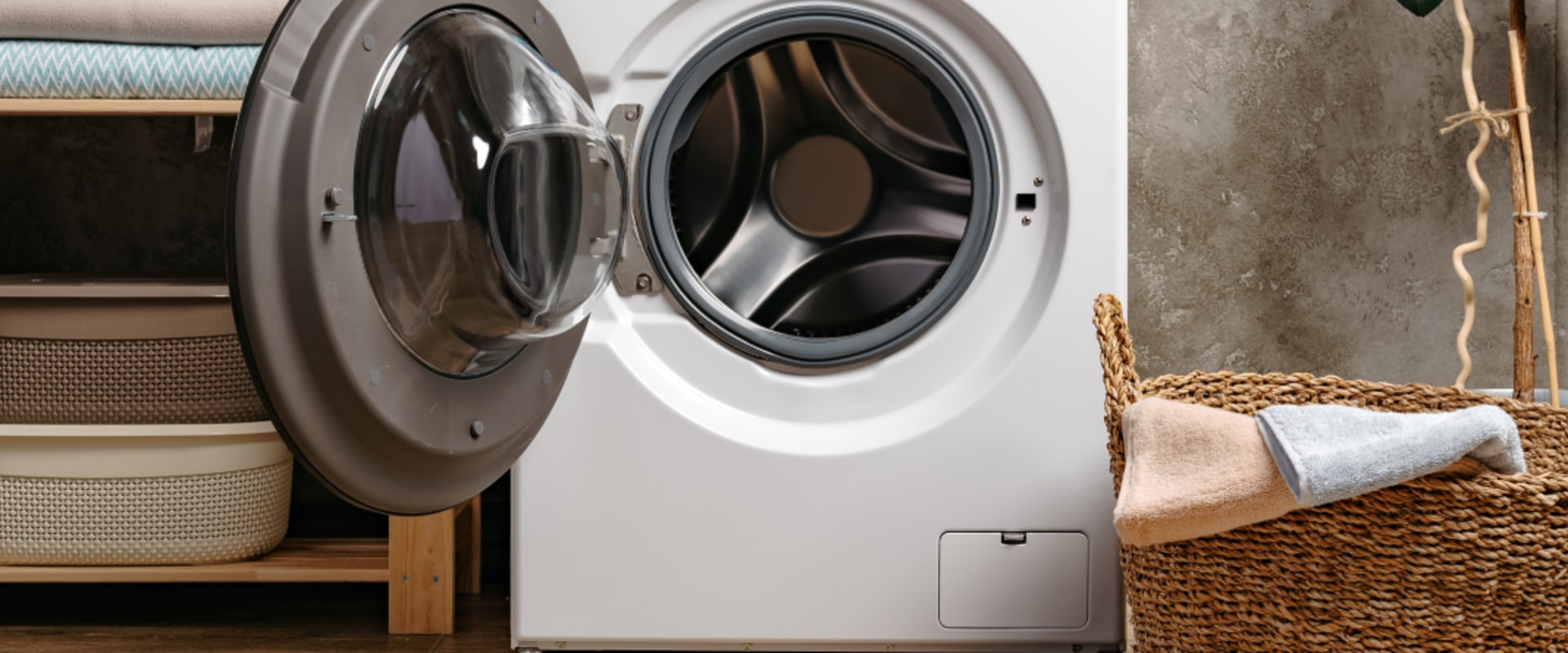
When it comes to household appliances, few are as essential as the washing machine. This hardworking device saves us countless hours and helps keep our clothes fresh and clean. However, just like any other machine, washing machines can encounter issues that disrupt their efficiency and functionality. If you’ve ever found yourself staring at a machine that refuses to spin or drain properly, you know how frustrating it can be.
That’s where our Essential Washing Machine Troubleshooting Tips come into play. In this guide, we will equip you with the knowledge to diagnose common washing machine problems and offer practical solutions to get your appliance back on track. Whether you're dealing with strange noises, leaks, or error codes, our tips will help you understand what might be going wrong and how you can fix it yourself. No one wants to spend a fortune on repairs or replacement when many issues can be resolved with a little guidance. Join us as we delve into the world of washing machine troubleshooting. By the end of this article, you’ll not only have a clearer understanding of your appliance’s workings but also the confidence to tackle minor repairs head-on.
Let’s dive in and ensure your washing machine is always ready to tackle your laundry needs!Troubleshooting your washing machine is crucial, as it can save both time and money. Many homeowners encounter problems with their machines, leading to frustration and unexpected expenses. By understanding common issues and employing washing machine troubleshooting tips, users can often solve problems independently without having to call a technician. There are several typical problems that users face with washing machines. One of the most common issues is when the machine does not start at all.
This can often be traced back to power issues. Users should first check if the machine is plugged in securely and whether the outlet is functioning properly by testing it with another device. If these steps do not resolve the issue, inspecting the machine's circuit breaker or fuse box may be necessary. Sometimes, the door latch or lid switch can prevent the machine from starting, so it's important to ensure these components are functioning correctly. Another frequent problem is leaking water.
This can be caused by worn or damaged hoses, which should be inspected for cracks or loose connections. Users should also check the door seal for any signs of wear and tear. If water continues to leak, examining the internal components, such as the pump and drain filter, may be necessary. Having a bucket or towels on hand can help manage any spills during this process. Unusual noises during operation can signal various issues.
A grinding or squeaking sound may indicate foreign objects trapped in the drum or a problem with the bearings. To troubleshoot this, users can pause the cycle and inspect the drum for any obstructions. Additionally, checking the level of the machine is important; if it's uneven, it might cause excessive noise during spinning cycles. A level tool can assist in ensuring that the machine is properly aligned. Poor cleaning results are another common complaint among washing machine users.
This issue could stem from several factors, including overloading the machine, using too much detergent, or selecting an inappropriate wash cycle. Users should refer to their user manual to ensure they are using the correct settings for their load size and fabric type. Moreover, checking and cleaning the detergent dispenser and filters regularly can enhance performance. Preventive maintenance is essential for keeping washing machines in good working order. Regularly cleaning the drum and running a maintenance cycle can help prevent buildup of detergent residue and mold.
Additionally, users should periodically inspect hoses for wear and ensure that all connections are tight to prevent leaks. Keeping an eye on vibrations during cycles can also indicate if adjustments are needed. While many issues can be addressed through DIY troubleshooting, there are times when calling a professional repair service is advisable. If a user encounters an electrical problem or if any repairs require specialized tools or knowledge beyond basic maintenance, it’s best to seek professional help. There might be disagreements regarding DIY repairs versus hiring professionals; however, it’s important to assess one’s own skill level and comfort with repairs before deciding how to proceed. In conclusion, understanding these washing machine troubleshooting tips empowers users to tackle common issues effectively while also emphasizing the importance of preventive maintenance to avoid future problems.
When to Call a Professional
While many washing machine issues can be resolved through basic troubleshooting, there are times when it is best to seek the assistance of a professional.Signs that indicate it's best to seek professional help include persistent problems that do not improve despite your efforts, unusual noises that could indicate mechanical failure, and leaks that seem to be originating from within the machine. If you notice that your washing machine is not completing cycles or if it fails to start altogether, it may suggest a deeper electrical issue. In such cases, it is advisable to consult a professional technician who can safely diagnose and repair the problem. Additionally, if you detect any burning smells or see smoke, this is a critical warning sign that requires immediate attention from a qualified expert. Ignoring these symptoms could not only lead to further damage to your appliance but could also pose safety risks. Ultimately, understanding when to call a professional can save you time, prevent costly repairs, and ensure the safety of both you and your appliance. If you are ever in doubt about the severity of an issue, it is always better to err on the side of caution and seek professional advice.
Maintenance Tips to Prevent Issues
To ensure your washing machine operates efficiently and lasts for years, regular maintenance is essential.Washing machine troubleshooting tips often stem from neglecting routine care that can prevent issues before they arise. Here are some valuable maintenance tips to help prolong the life of your machine and minimize frequent problems. First, make it a habit to clean the lint filter regularly. A clogged filter can lead to poor drainage and even damage your machine over time. Check the manufacturer’s instructions for guidance on how often to clean it, typically every few months. Next, inspect the washing machine hoses for any signs of wear or leaks.
Replacing old or damaged hoses can prevent water damage and other complications. Aim to replace them every five years or sooner if you notice any issues. Additionally, consider running a cleaning cycle on your washing machine periodically. Many modern machines have a self-cleaning feature, but you can also use a mixture of vinegar and baking soda to help remove soap scum and odor buildup. Furthermore, be mindful of the load capacity. Overloading your washing machine can cause strain on its components, leading to breakdowns and inefficiencies.
Always adhere to the recommended load sizes specified in your user manual. Lastly, ensure that your washing machine is level. An unbalanced machine can cause excessive vibrations, leading to potential mechanical problems. Use a level tool to check alignment and adjust the feet of the machine as necessary. By following these essential maintenance tips, you can prevent many common issues associated with washing machines and enhance their longevity, ultimately saving you time and money in the long run.
Common Problems and Solutions
Washing machines are essential appliances in most households, but they can sometimes encounter issues that disrupt their operation. Understanding common problems and their solutions can save you time, money, and frustration.Here are some frequent issues users face with washing machines, along with step-by-step solutions to resolve them.
1.Washing Machine Won't Start
If your washing machine is unresponsive, first check the power supply. Ensure that the machine is plugged in and that the outlet is functioning. You can test the outlet by plugging in another appliance. If the power supply is fine, inspect the door latch; many machines will not operate if the door is not securely closed.Lastly, check for any blown fuses or tripped circuit breakers.
2.Water Not Filling
When your washing machine won’t fill with water, start by checking the water supply valves located at the back of the machine. Ensure they are turned on completely. Next, inspect the inlet hoses for kinks or blockages. If hoses are clear, check the water filter screens inside the inlet valve; these can become clogged over time and may require cleaning.3.Washer Leaking Water
If you notice water pooling around your washing machine, it could be due to several reasons.First, check the door seal for any signs of wear or damage that could be causing leaks. Next, inspect the hoses for any cracks or loose connections. Tightening or replacing damaged hoses can often resolve this issue. Additionally, ensure that the detergent is not overfilled, as excessive suds can lead to leaks.
4.Clothes Not Cleaning Properly
If your laundry comes out dirty or stained, start by checking if you are using the correct amount of detergent; too little may not clean effectively, while too much can leave residue.Also, consider adjusting your wash cycle settings based on the type of fabric and soil level. If stains persist, try pretreating them before washing or using a different type of detergent.
5.Excessive Noise During Operation
Noisy operation can indicate various issues, from loose parts to unbalanced loads. Start by checking if clothes are evenly distributed in the drum; an unbalanced load can cause excessive vibration and noise. If balancing does not help, inspect for foreign objects lodged in the drum or pump area that may be causing noise.Additionally, worn-out bearings might need professional attention. By following these troubleshooting tips, you can address common washing machine issues efficiently and effectively, ensuring your appliance runs smoothly for years to come. In conclusion, understanding basic washing machine troubleshooting tips is essential for any appliance owner. By familiarizing yourself with common problems and their solutions, you can save both time and money when your machine malfunctions. Remember to refer back to this article whenever you encounter issues, as it serves as a helpful guide for troubleshooting. Additionally, regular maintenance can significantly reduce the likelihood of these problems occurring in the first place. We encourage you to bookmark this resource for easy access in the future, ensuring that you're always prepared to tackle any washing machine challenges that come your way.