When it comes to maintaining the longevity and efficiency of your laundry appliances, understanding how to use your dryer effectively is paramount.
Dryer user guides
are more than just a collection of instructions; they are a treasure trove of knowledge that can help you navigate the various features and settings of your machine. Whether you're a seasoned laundry pro or a novice trying to make sense of drying cycles, this article will equip you with essential information to optimize your dryer usage. Imagine the satisfaction of pulling out perfectly dried clothes, free from wrinkles and dampness, every time you do laundry. The key to achieving this lies in knowing how to operate your dryer properly.In this guide, we will explore fundamental tips and tricks that every dryer user should know, from selecting the right settings for different fabrics to understanding the importance of regular maintenance. Additionally, we'll discuss common mistakes that can lead to inefficiencies and even damage your appliance over time. With the right insights, you can not only save time and energy but also extend the lifespan of your dryer. So, let’s dive into the world of effective dryer use and unlock the full potential of your laundry routine!Having a user manual for your dryer is essential for several reasons. It acts as a comprehensive guide that helps users maximize the appliance's efficiency and longevity.
Understanding how to utilize the features of your dryer can significantly improve your laundry experience. Common scenarios where users might need to refer to the manual include setting up the dryer for the first time, understanding the various drying cycles available, and troubleshooting common issues that may arise during operation. When discussing **dryers**, it’s important to recognize the different types available in the market, primarily **electric** and **gas dryers**. Electric dryers are typically easier to install since they only require an electrical outlet, while gas dryers often offer faster drying times and lower operating costs. Each type has its own set of features, such as moisture sensors, energy-saving modes, and steam cycles.
By understanding these features, users can select the most suitable options based on their specific needs, leading to an improved overall user experience. Loading your dryer correctly is crucial for optimal performance. Begin by separating heavy items from lighter ones to ensure even drying. Overloading the dryer can lead to longer drying times and inefficient energy usage. After loading, selecting the appropriate settings is vital.
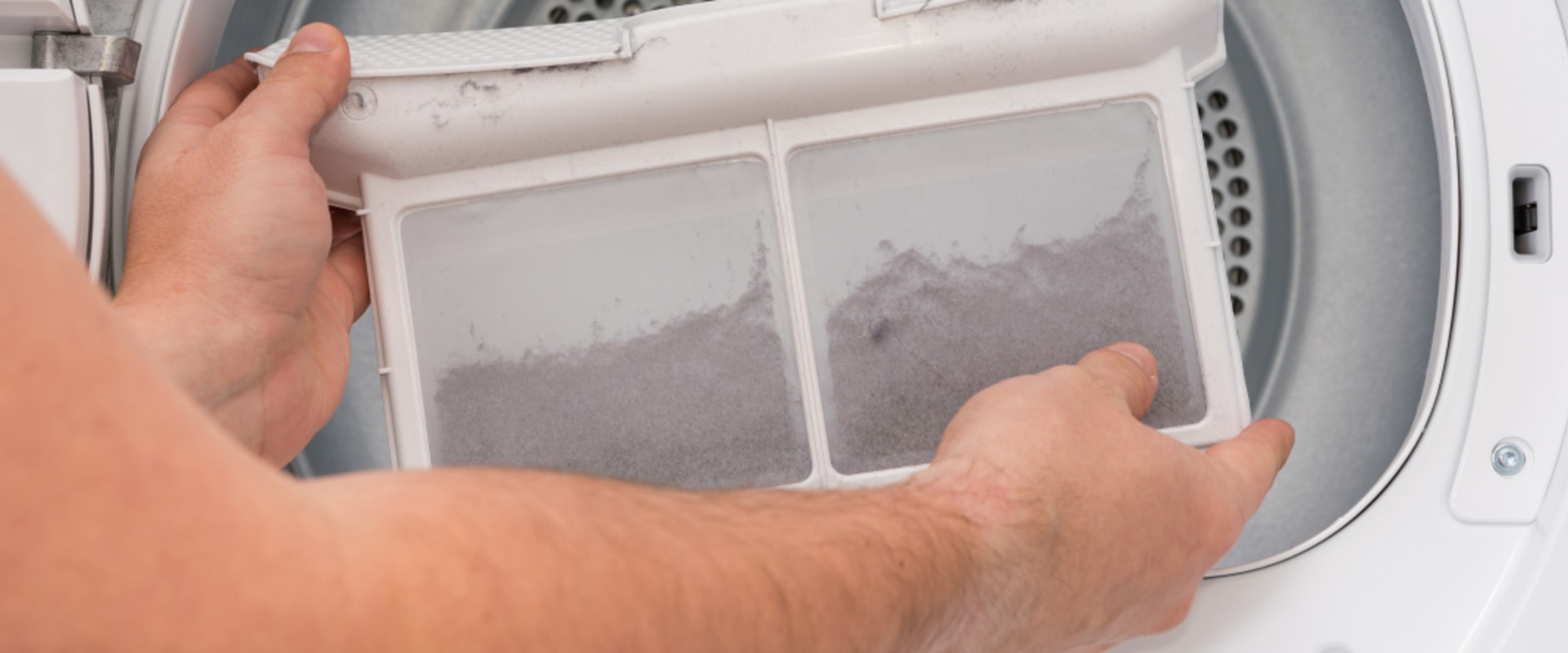
Most dryers offer various cycles like normal, delicate, and permanent press. Familiarizing yourself with these settings can help you choose the right one for each load type, enhancing both fabric care and energy efficiency. Maintenance plays a critical role in extending the life of your dryer. Regularly cleaning the lint filter after every use is essential for preventing fires and ensuring that your dryer operates efficiently. Additionally, periodically inspecting and cleaning the venting system can help avoid blockages that lead to poor performance.
The user manual will often provide detailed instructions for maintenance routines, allowing you to keep your appliance in top shape. Despite following guidelines, issues may still arise during operation. Common troubleshooting tips include addressing problems with drying times or unusual noises. If clothes are still damp after a cycle, check if you’ve overloaded the dryer or if the lint filter needs cleaning. Unusual noises may indicate that something is caught in the drum or that there’s an issue with a component such as the belt or motor.
Referencing your user manual can provide specific diagnostic steps tailored to your dryer model. For those seeking additional resources, many manufacturers offer downloadable manuals on their websites. These manuals often contain valuable information on advanced features and maintenance tips that can enhance your understanding of how to operate your dryer effectively. Additionally, third-party sites often compile user reviews and common problems related to specific models, offering further insight into typical issues users face. Real-life examples of troubleshooting can illustrate how valuable a user manual can be. For instance, if a user notices their dryer making a thumping noise, consulting the manual may reveal that this is often caused by an unbalanced load or loose items inside the drum.
Another scenario could involve encountering an error code; many manuals provide lists of error codes along with their meanings and potential solutions. Lastly, it’s not uncommon for disagreements or confusion to arise around dryer settings or maintenance practices among users. Some may question whether it’s better to use high heat for faster drying or low heat to protect fabrics. The manual often includes recommendations based on fabric types that can help resolve these disputes by providing clear guidance tailored to different materials.
Where to Find User Manuals Online
Locating a dryer user manual online is easier than ever, thanks to various resources available at your fingertips. Many manufacturers have made their manuals accessible through their websites, allowing users to download them in PDF format.To start your search, visit the official website of your dryer’s manufacturer. Look for a section labeled 'Support,' 'Customer Service,' or 'Product Manuals.' Here, you can often find a searchable database where you can enter your model number to access the specific user manual for your dryer. In addition to manufacturer websites, there are numerous third-party websites dedicated to providing appliance manuals. Websites like Manualslib and Appliance Manuals host a wide range of user manuals for various dryer brands and models. Simply type in your dryer’s brand and model number in the search bar to find the relevant user guide.If you are unable to find a manual online, consider reaching out to customer service representatives of the manufacturer.
They can often provide a digital copy of the manual or guide you to where it can be accessed online. Lastly, don’t forget about online forums and communities where appliance users share resources. Websites like Reddit or dedicated Facebook groups often have members who can point you in the right direction or even share a manual directly.
Common Troubleshooting Tips
When using your dryer, you may encounter several common issues that can hinder its performance. Understanding how to troubleshoot these problems can save you time and frustration. Here are some frequent problems users face and their solutions:Dryer Won't Start: If your dryer fails to start, first check if it is properly plugged in and if the outlet is functioning.Ensure that the door is completely closed, as most dryers have a safety feature that prevents operation if the door is ajar. Additionally, inspect the circuit breaker to see if it has tripped.
Clothes Not Drying Completely
: If you notice that your clothes are still damp after a cycle, check the lint filter. A clogged lint filter can restrict airflow, affecting drying efficiency. Clean the filter before each load.Also, ensure that the dryer is not overloaded, as this can prevent hot air from circulating effectively.
Unusual Noises
: If your dryer is making odd noises, such as banging or squeaking, it could indicate a loose or damaged drum belt. Check for any foreign objects lodged in the drum or exhaust vent that might be causing the noise. If necessary, consult the user manual for instructions on inspecting and replacing parts.Dryer Overheating
: An overheating dryer can be dangerous and may indicate a blocked vent. Inspect the venting system for obstructions and ensure that it is properly installed.Additionally, check the lint trap and clean it regularly to promote proper airflow.
Wrinkled Clothes
: To minimize wrinkles, avoid overloading the dryer and remove clothes promptly at the end of the cycle. If wrinkles do occur, consider running a short tumble cycle with a damp cloth to help relax the fabric. By familiarizing yourself with these common issues and their solutions, you can enhance your drying experience and maintain the efficiency of your appliance for years to come.Understanding Your Dryer: Types and Features
When it comes to laundry appliances, dryers play a crucial role in efficiently drying your clothes. Understanding the different types of dryers available and their unique features can significantly enhance your laundry experience. There are primarily three types of dryers: vented dryers, condenser dryers, and heat pump dryers. Each type has its own method of operation and benefits, which can influence your choice based on your laundry needs.Vented dryers
work by expelling hot, moist air outside through a vent.They are typically faster and more energy-efficient compared to other types, but they require proper installation with adequate venting space. Users often appreciate their quick drying times, making them ideal for large households with frequent laundry needs.
Condenser dryers
, on the other hand, collect moisture from the air inside the machine and convert it into water, which is then stored in a tank or drained away. These dryers do not require external venting, making them suitable for apartments or homes without easy access to a venting system. They tend to be a bit slower than vented models but offer flexibility in placement.Heat pump dryers
are the most energy-efficient option available.They use a heat exchanger to recycle hot air, reducing energy consumption significantly. While they may have a higher initial cost, their long-term savings on energy bills make them an appealing choice for environmentally-conscious users. In addition to the main types, many dryers come equipped with various features to enhance usability. Look for options such as sensors that detect moisture levels, multiple drying cycles for different fabric types, and steam functions that help reduce wrinkles in your clothes. Understanding these features can help you choose a dryer that fits your specific needs and preferences.
How to Use Your Dryer Effectively
Using your dryer effectively not only ensures that your clothes are dried efficiently but also extends the lifespan of the appliance.To get started, it is essential to understand the various settings available on your dryer.
1.Choose the Right Cycle:
Most dryers come with multiple drying cycles tailored for different fabric types. For instance, you should select a gentle cycle for delicate fabrics and a high heat cycle for heavier items like towels and bedding. Refer to your user manual for specific recommendations on which cycle to use for various materials.2.Load the Dryer Correctly:
Overloading your dryer can lead to inefficient drying and may even damage the appliance. Ensure you load it according to the manufacturer's guidelines, leaving enough space for air to circulate freely around the clothes.This will help achieve optimal drying results.
3.Use the Right Drying Time:
The drying time can vary based on the load size and fabric type. Start with the recommended drying time in the user manual and adjust as needed based on your experience. It’s often better to check on your clothes periodically to avoid over-drying, which can lead to shrinkage and wear.4.Clean the Lint Filter:
Always remember to clean the lint filter before every load. A clogged lint filter can hinder airflow, resulting in longer drying times and a potential fire hazard.Your user manual will provide instructions on how to properly clean and maintain the lint filter.
5.Utilize Additional Features:
Modern dryers often come with features like moisture sensors and steam options. Moisture sensors can automatically adjust drying time based on the moisture level in your clothes, preventing over-drying. Refer to your manual to learn how to activate these features for improved efficiency. By following these guidelines from your user manual, you can ensure that you are using your dryer effectively, maximizing its performance while taking good care of your garments. In conclusion, having a user manual for your dryer is essential for ensuring proper usage and maintenance. It serves as a valuable resource that can help you navigate the various features and settings of your appliance, ultimately enhancing its efficiency and prolonging its lifespan.Whether you are setting up your dryer, exploring different drying cycles, or troubleshooting common issues, your user manual is an indispensable tool. We encourage you to refer back to your manual regularly, as it contains crucial information that can aid in optimizing your dryer’s performance. Additionally, don’t hesitate to explore online resources for any questions or concerns that may arise over time. By staying informed and making the most of these resources, you can ensure that your laundry experience remains hassle-free and efficient.