Are you tired of dealing with dishes that just won’t come out clean? Do you find yourself wondering whether you’re using your dishwasher to its fullest potential? You’re not alone. Many users struggle with the ins and outs of this essential kitchen appliance, often overlooking simple yet effective techniques that can make a world of difference. In today’s fast-paced world, a dishwasher is more than just a luxury; it’s a time-saving ally that allows you to focus on what truly matters—enjoying delicious meals with family and friends. However, without proper knowledge of how to operate it efficiently, this handy machine can sometimes lead to more frustration than convenience. This article aims to equip you with essential tips for using your dishwasher effectively. Whether you’re a seasoned pro or a newcomer just starting out, understanding the nuances of your appliance can transform your dishwashing experience.
From loading techniques to choosing the right settings, we’ll cover everything you need to know to ensure sparkling clean dishes every time. Get ready to unlock the full potential of your dishwasher and discover how simple adjustments can enhance its performance. Let’s dive in and explore the best practices that will help you maximize efficiency and minimize hassle in your kitchen. In the age of modern conveniences, dishwashers have become an essential part of our kitchens, significantly reducing the time and effort required for cleaning up after meals. However, many users may find themselves facing challenges in maximizing the utility of their dishwashers. To ensure you get the most out of this appliance, having access to the dishwasher user guides is crucial.
If you find yourself needing a user manual for your specific model, start by checking the manufacturer’s website. Most brands offer downloadable versions of their user guides that can be easily found by searching for your dishwasher's model number. Alternatively, physical copies can often be found in your appliance’s packaging or by contacting customer service for a replacement. When it comes to operating your dishwasher effectively, understanding the various wash cycles available is key. Dishwashers typically come with multiple settings designed to handle different types of loads.
For instance, you might find options like 'Normal', 'Heavy', or 'Quick Wash'. The 'Normal' cycle is ideal for everyday dishes, while 'Heavy' is perfect for pots and pans with stubborn residue. The 'Quick Wash' cycle can save time when you're in a hurry but may not provide the deep clean that other cycles offer. Knowing when to use each cycle can greatly enhance the performance of your dishwasher. In addition to selecting the right cycle, energy-saving tips can help you operate your dishwasher more efficiently.
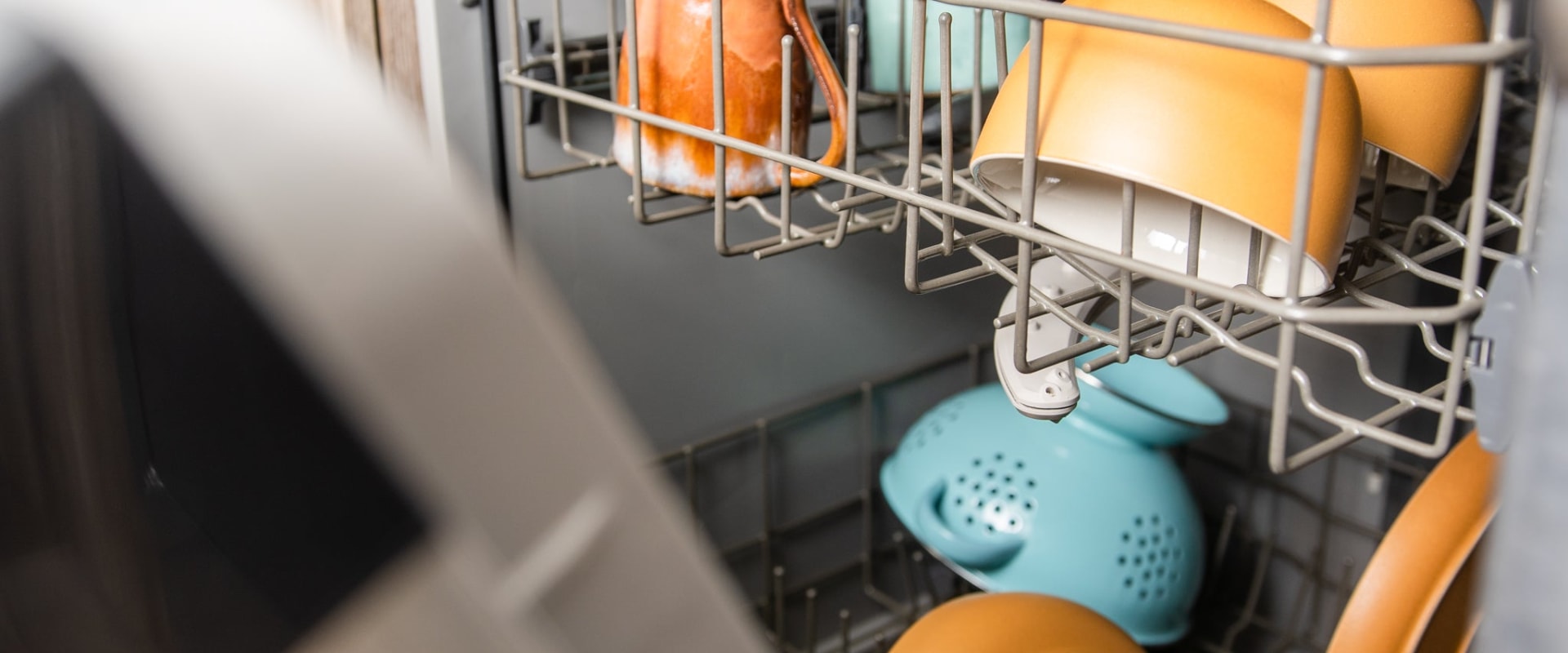
Running full loads not only conserves water but also utilizes energy more effectively. If your dishwasher has an eco mode, consider using it regularly; this setting typically uses less water and energy. Additionally, try to avoid rinsing dishes before loading them, as modern dishwashers are designed to handle food residues effectively. Proper loading techniques are also vital for achieving optimal cleaning results. Begin by placing larger items like pots and pans on the bottom rack, ensuring they do not block the spray arms.
Place smaller items such as cups and glasses on the top rack, and ensure that they are securely positioned to prevent movement during washing. It's essential to avoid overcrowding the dishwasher, as this can lead to poor cleaning performance due to restricted water flow. Even with proper operation and loading techniques, users may encounter issues with their dishwashers from time to time. Common problems include poor cleaning performance or strange noises during operation. If you notice that dishes are coming out dirty, first check that you are using the correct wash cycle and that the spray arms are not obstructed.
Cleaning the filter regularly can also prevent debris buildup that may hinder performance. For strange noises, it’s important to inspect whether any utensils or dishes are interfering with the spray arms or if there are issues with loose parts inside the appliance. Different brands may have unique features or quirks that affect how they should be operated or maintained. For example, Bosch dishwashers are known for their quiet operation and efficient cleaning cycles, while Whirlpool models often emphasize user-friendly controls and versatile loading options. Because of these variations, it’s essential to refer to your specific model's user guide for tailored advice and troubleshooting tips. Acknowledging that experiences with dishwashers can differ greatly among users is important.
Some may find certain cycles work better than others based on their specific washing needs or types of dishes used. It’s advisable to experiment with different settings and loading patterns to discover what works best for your household. In conclusion, utilizing your dishwasher effectively involves understanding its various functions and adhering to best practices in operation and maintenance. By referring to dishwasher user guides, implementing energy-saving strategies, properly loading your appliance, and being aware of potential troubleshooting tips, you can ensure that your dishwasher serves its purpose efficiently and reliably for years to come.
Troubleshooting Common Issues
Even the most reliable dishwashers can encounter problems from time to time. Understanding how to troubleshoot these common issues can save you time and frustration.Here are some frequent problems you might face along with their simple fixes:1.Dishes Not Clean After Cycle: If your dishes come out dirty, ensure you are loading them correctly. Avoid overcrowding and place larger items on the bottom rack while smaller items go on top. Check the spray arms for blockages and ensure they are spinning freely.
2.Dishwasher Won't Start:
If your dishwasher doesn't start, check if it is properly plugged in and that the door is securely closed. Inspect the circuit breaker to see if it has tripped.If everything appears normal, the issue may be with the control panel.
3.Water Not Draining:
If you notice standing water at the bottom of your dishwasher, check for clogged filters or a kinked drain hose. Ensure that the garbage disposal is clear, as it can affect drainage.4.Strange Noises:
Unusual sounds during operation can be caused by loose items in the dishwasher or foreign objects trapped in the spray arm. Make sure to remove any debris and check for loose parts.5.Leaking Water:
If you see water pooling around your dishwasher, inspect the door seals for damage or wear. Also, check the hoses for cracks or loose connections that could lead to leaks. By following these troubleshooting tips, you can address common issues effectively and keep your dishwasher running smoothly.Finding Your Dishwasher Manual
In today's digital age, locating your dishwasher user guide has never been easier.Most manufacturers provide downloadable versions of their manuals on their official websites. To find your specific model's manual, start by visiting the manufacturer's website and navigating to their support or customer service section. Once there, look for a search bar or a section labeled 'Product Manuals' or 'User Guides.' Enter your dishwasher model number, which can typically be found on a sticker inside the door or on the back of the appliance. After entering the model number, you should be able to access the relevant user manual in PDF format, which you can download or view online. If you're unable to find your manual on the manufacturer's website, consider checking third-party sites that aggregate appliance manuals. Websites like ManualsLib and Manualslib.com offer a vast collection of user guides for various appliances, including dishwashers.
Simply enter your dishwasher's brand and model into their search function to see if a copy of your dishwasher user guide is available. Lastly, don’t overlook community forums and appliance repair websites. Many users share scanned copies of manuals, tips, and troubleshooting advice that can be incredibly helpful. By utilizing these resources, you can ensure you have access to the information you need to operate your dishwasher effectively.
Operating Your Dishwasher
Operating your dishwasher effectively requires an understanding of the various features and settings available on most models. Each dishwasher is designed to simplify your dish cleaning process, but to maximize its efficiency, it's essential to familiarize yourself with these functionalities.Wash Cycles:
Most dishwashers come equipped with multiple wash cycle options.These can range from light wash cycles for delicate items to heavy-duty cycles for pots and pans with stubborn food residues. Understanding when to use each cycle can greatly affect the cleanliness of your dishes.
Heat Dry vs. Air Dry:
Many dishwashers offer a choice between heat drying and air drying. Heat drying uses an additional heating element to dry dishes faster, while air drying is a more energy-efficient option that relies on ambient temperature.Knowing when to select each option can help save energy and reduce utility costs.
Delay Start Feature:
A delay start feature allows you to set your dishwasher to begin cleaning at a later time. This is particularly useful for taking advantage of off-peak energy rates or coordinating your washing schedule with other household activities.Sensors and Smart Technology:
Some modern dishwashers are equipped with sensors that detect the soil level of dishes and adjust the wash cycle accordingly. Additionally, smart technology integration allows you to monitor and control your dishwasher remotely, providing added convenience.Child Lock:
For households with young children, the child lock feature ensures safety by preventing accidental operation of the dishwasher. This is especially important during the cleaning cycle when hot water is in use. By understanding these features and settings, users can operate their dishwashers more effectively, ensuring optimal performance and longevity.Always refer to your specific user manual for detailed instructions related to your model, as features may vary. In conclusion, we have explored essential tips for using your dishwasher effectively, emphasizing the convenience it brings to modern kitchens. We discussed common challenges users face, such as loading techniques and cycle selection, and offered solutions to troubleshoot these issues.
Accessing a user manual
is crucial for understanding your specific model's features and functions. Remember that having your detailed dishwasher user guide on hand can make a significant difference in your dishwashing experience. We encourage you to download and keep a copy of your model's manual for easy reference in the future.Knowing how to operate and troubleshoot your dishwasher will not only enhance its performance but also extend its lifespan, ensuring that it continues to serve you well.