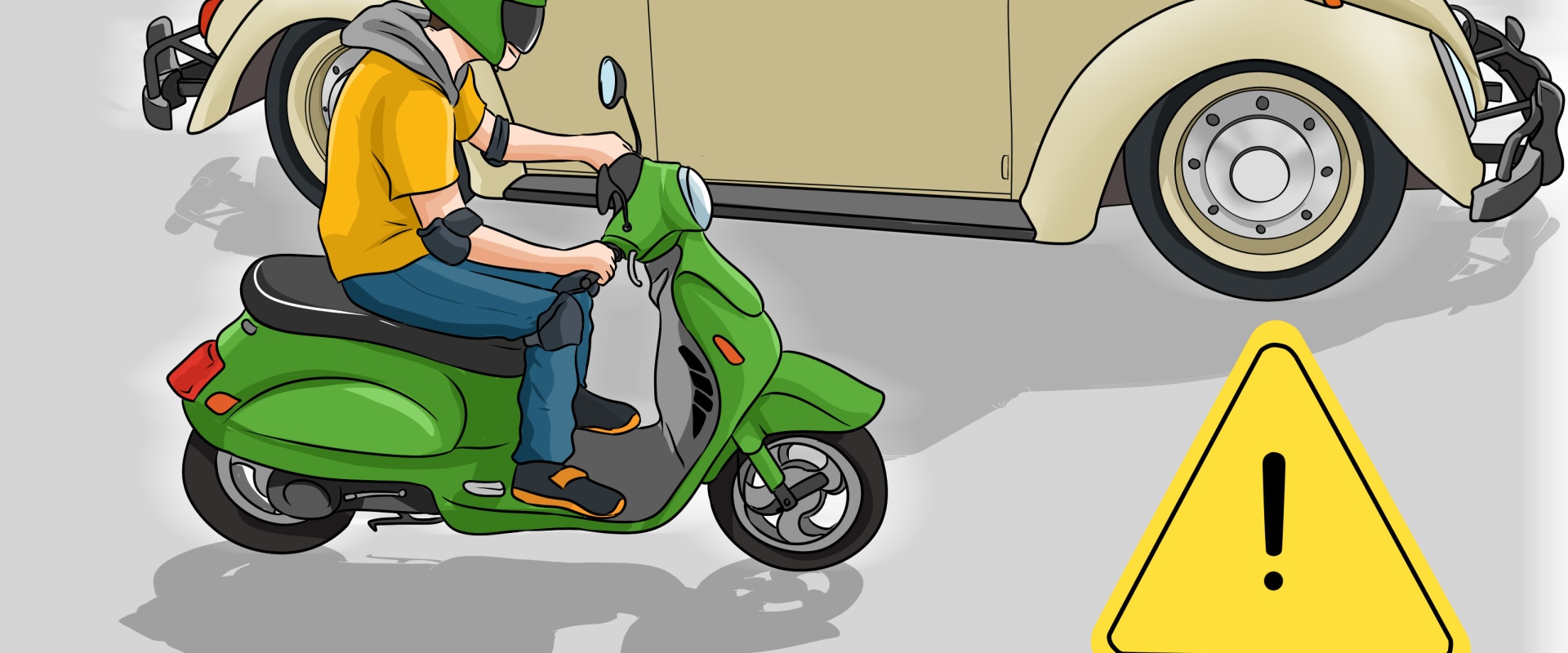
Welcome to the world of scooters, where freedom meets convenience! Whether you're a seasoned rider or just starting your journey on two wheels, understanding how to operate your scooter safely and effectively is crucial.
Scooter operation guides
are essential for anyone who wants to maximize their riding experience while minimizing risks. In this article, we will delve into the key aspects of scooter operation that every rider should know. Imagine gliding through city streets, the wind in your hair, and the thrill of navigating through traffic with ease. However, with this freedom comes responsibility.Operating a scooter is not just about hopping on and hitting the road; it requires knowledge and skills to ensure your safety and the safety of others around you. From understanding the mechanics of your scooter to mastering essential riding techniques, every detail matters. In our comprehensive guide, we will cover everything from pre-ride checks and basic maintenance to advanced riding tips that will enhance your confidence and control. Whether you're commuting to work, running errands, or enjoying a weekend ride, our tips will help you become a more proficient and safe scooter operator. So, gear up and get ready! Let’s embark on this exciting journey together as we explore the ins and outs of scooter operation. By the end of this guide, you'll be equipped with the knowledge you need to ride with confidence and enjoy every moment on your scooter!As scooters continue to gain traction as a favored mode of transportation, understanding their operation is paramount for both new and seasoned riders.
The growing number of scooter users highlights the necessity of familiarizing oneself with the mechanics and features that ensure a smooth riding experience. This article aims to delve into the various aspects of scooter operation guides, providing essential insights for safe and effective use. To begin with, it is crucial to grasp the basic controls and features of your scooter. Most scooters come equipped with a throttle, brake levers, and a dashboard that displays vital information such as speed and battery levels. For electric scooters, there may also be a power button that needs to be pressed before ignition.
Understanding how these components work is key to mastering the art of scooter operation. When starting a scooter, the initial step is to ensure that you are in a safe environment, free from obstacles or traffic. For electric scooters, press the power button to activate the system. Once powered on, place one foot on the deck while using your other foot to push off the ground. Gradually squeeze the throttle to gain momentum.
If you are on a gas-powered scooter, make sure to engage the choke if necessary, then kick-start or press the ignition button depending on your model. Always refer to your specific scooter operation guides for detailed instructions. Stopping a scooter can vary based on its type. Electric scooters typically use handbrakes located on the handlebars; gently pulling these levers will gradually slow down the scooter. For gas-powered models, applying pressure to the brakes is crucial as well, but be mindful of how hard you pull them, as abrupt stops can lead to loss of control.
It is advisable to practice stopping in a controlled environment until you feel confident. Adjusting settings is another important aspect of scooter operation. For electric scooters, check for options that allow you to change speed settings or switch between eco and sport modes. Gas-powered scooters may have adjustable throttle controls that can enhance your riding experience based on your comfort level. Familiarizing yourself with these settings allows for a more tailored riding experience. Safety features are integral in ensuring a secure ride.
Many scooters come with built-in lights for visibility during nighttime rides, while horn functionality alerts pedestrians and other vehicles of your presence. Additionally, utilizing safety gear such as helmets and knee pads is highly recommended to protect against potential falls or accidents. Different types of scooters may present unique operating instructions. For instance, electric scooters usually require regular charging and monitoring of battery health. Users may encounter battery issues if not properly maintained; therefore, familiarize yourself with how to charge the battery efficiently and understand its lifespan.
On the other hand, gas-powered scooters require periodic fuel checks and oil changes to maintain optimal performance. Troubleshooting common issues is vital for every scooter owner. Electric scooter users might face challenges such as battery failure or issues with the throttle response. It is advisable to keep an eye on any warning lights on your dashboard and consult your scooter operation guides for specific troubleshooting steps. Gas-powered scooters may experience brake malfunctions or engine troubles; understanding how to identify symptoms like unusual noises or decreased acceleration can save time and prevent further damage. Regular maintenance practices play a crucial role in ensuring the longevity and optimal performance of your scooter.
For electric models, clean the battery terminals regularly and ensure that all electrical connections are secure. Check tire pressure frequently and keep tires inflated according to manufacturer recommendations. Gas-powered scooters require oil changes every few hundred miles, along with routine inspections of brake pads and belts. User testimonials can offer valuable insights into real-world experiences with various models. One user shared how switching from a gas-powered scooter to an electric model transformed their daily commute—highlighting the ease of use and lower maintenance costs associated with electric scooters.
Experts also emphasize the importance of taking an accredited safety course before hitting the road; this not only improves riding skills but also instills confidence in navigating urban environments. In summary, understanding scooter operation guides encompasses more than just knowing how to ride; it involves being well-versed in controls, safety features, troubleshooting common issues, and practicing proper maintenance. As scooters continue to shape modern transportation trends, being informed will empower riders to enjoy their journeys safely and effectively.
Regular Maintenance Checklist
Maintaining your scooter is essential for ensuring a safe and reliable ride. A simple maintenance schedule can help you stay on top of important checks and keep your scooter in top condition. Here’s a basic checklist:Tire Pressure: Regularly check the tire pressure using a gauge.Properly inflated tires enhance performance and safety. Refer to the manufacturer’s specifications for the correct pressure levels and inspect tires for any signs of wear or damage.
Battery Health:
The battery is a crucial component of your scooter. Check the battery terminals for corrosion and ensure that connections are tight. If your scooter uses a lead-acid battery, keep it charged regularly and inspect the water levels if applicable.For electric scooters, monitor the battery level before each ride to avoid running out of power.
Brake Function:
Your brakes are vital for safe operation. Regularly test the brakes by applying them at low speeds to ensure they engage smoothly and effectively. Inspect brake pads for wear and replace them if they are worn down. Also, check the brake fluid levels if applicable. Following this regular maintenance checklist will not only extend the lifespan of your scooter but also enhance your overall riding experience.By being proactive about maintenance, you can avoid unexpected issues and enjoy a safer ride.
Safety First: Essential Tips for Riding
When it comes to riding a scooter, safety should always be your top priority. The thrill of riding can be enjoyable, but it comes with its risks. Wearing appropriate protective gear is crucial to minimize injuries in case of accidents. A well-fitted helmet is non-negotiable; it protects your head and can significantly reduce the risk of severe injuries.Other protective items such as knee pads, elbow guards, and sturdy footwear also play vital roles in ensuring a safer ride. Understanding traffic rules is equally important for every scooter rider. Just like any other vehicle on the road, scooters must adhere to the same set of laws and regulations that govern traffic. This includes obeying traffic signals, maintaining appropriate speed limits, and yielding to pedestrians. Familiarizing yourself with local laws can prevent misunderstandings and help you ride more confidently. Finally, being aware of your surroundings cannot be overstated.
Always stay vigilant and keep an eye out for potential hazards such as potholes, pedestrians, and other vehicles. Use your mirrors frequently and signal your intentions clearly to communicate with others on the road. By staying alert and proactive, you can navigate through traffic safely and enjoy your ride to the fullest.
Where to Find Additional Resources
When it comes to operating your scooter effectively, having access to the right resources is essential. Many scooter manufacturers provide online manuals that can be easily accessed from their official websites.This is often the best place to start, as these manuals contain detailed information on your specific model, including operating instructions, maintenance tips, and troubleshooting advice. To find these resources, simply visit the website of your scooter brand and navigate to the customer support or resources section. Look for links labeled manuals, guides, or downloads. You can typically enter your scooter model number to find the exact manual you need. In addition to manufacturer resources, there are several third-party websites dedicated to providing support and information for scooter users. Websites like Scooter Forum and Scooter Community offer user-generated content, including tips, reviews, and troubleshooting help.
These platforms can be invaluable for gaining insights from fellow scooter enthusiasts who may have faced similar challenges. If you encounter any issues that are not covered in the manuals or online resources, don’t hesitate to reach out to your local dealer or service center. They can often provide direct assistance or connect you with technical support for your specific scooter model. Lastly, social media groups and forums can also be beneficial for finding additional resources. Many scooter communities share advice, experiences, and even DIY repair tips that can enhance your understanding of scooter operation.
Troubleshooting Common Issues
Operating a scooter can be a delightful experience, but like any vehicle, they are not immune to problems. Understanding how to diagnose and fix common issues can save you time and frustration.Below are some frequent problems you might encounter while operating your scooter.
Flat Tires
are one of the most common issues faced by scooter riders. Regularly check your tire pressure and inspect the tires for any visible damage or wear. If you find a flat tire, it’s important to have the right tools on hand, such as a tire pump or a repair kit. To fix a flat, first remove the wheel from the scooter, then locate the puncture and use the patch kit to seal it.If the damage is extensive, replacing the tire may be necessary. Another issue that can arise is Electrical Problems. This can manifest as difficulty in starting the scooter, dim lights, or malfunctioning indicators. Start by checking the battery connections for any corrosion or loose wires. If the battery is not holding a charge, consider replacing it.
Additionally, inspect the fuses to ensure none are blown. A simple multimeter can help you diagnose if there’s an issue with the electrical system. Lastly, if you experience Brake Issues, such as squeaking or a lack of responsiveness, it’s crucial to address this immediately for safety reasons. Check the brake pads for wear and replace them if they are too thin. Ensure that the brake fluid levels are adequate and look for any leaks in the brake lines.
Regular maintenance and timely repairs can keep your scooter operating smoothly. By being proactive and knowledgeable about these common issues, you can enhance your riding experience and ensure your scooter remains in top condition.
Understanding Your Scooter's Controls
To operate your scooter safely and effectively, it is essential to familiarize yourself with its various controls. Each control plays a crucial role in ensuring a smooth and safe riding experience. Let's break down the fundamental controls you will encounter on your scooter. The throttle is typically located on the right handlebar. This control allows you to increase your speed by twisting it towards you.Understanding how to modulate the throttle is key; too much acceleration can lead to loss of control, while too little may hinder your ability to navigate through traffic. Practice using the throttle in a safe environment before venturing onto busy roads. Next, we have the brakes, which are usually situated on both the left and right handlebars. The left brake controls the front wheel, while the right brake manages the rear wheel. Learning to use both brakes simultaneously will help you stop effectively without skidding or losing balance.
Always remember that smooth pressure on the brakes is more effective than sudden force, especially when you're stopping from high speeds. Another crucial aspect of your scooter's operation is its lights. Most scooters come equipped with headlights, taillights, and signal lights. The headlights improve visibility during nighttime rides, while taillights ensure that other vehicles can see you from behind. Signal lights are vital for communicating your intentions to other road users.
Familiarize yourself with the location of these controls and ensure they are functional before every ride. Finally, don't overlook the importance of indicators. These are essential for safe navigation in traffic. Use your indicators well in advance of turns or lane changes to alert others of your movements. This helps prevent accidents and promotes safer riding practices. In summary, mastering these basic controls—throttle, brakes, lights, and indicators—is fundamental for operating your scooter safely.
By understanding how they work together, you will enhance your riding skills and contribute to a safer environment on the road.
Understanding Your Scooter's Controls
Operating a scooter effectively requires a clear understanding of its essential controls. Familiarizing yourself with these controls not only enhances your riding experience but also ensures your safety on the road.Throttle
is one of the primary controls that governs your scooter's speed. It is typically located on the right handlebar, allowing you to accelerate by twisting it toward you. Smooth and gradual adjustments are key; sudden acceleration can lead to loss of control, especially for beginners. The brakes are equally crucial for safe operation.Most scooters are equipped with hand brakes on both the left and right handlebars. The left brake generally controls the front wheel, while the right brake operates the rear wheel. Understanding how to use both brakes effectively can help you stop quickly and safely in various situations. Another important aspect of scooter operation involves the lights. Your scooter should have front and rear lights to enhance visibility during low-light conditions.
Always ensure these lights are functioning before you ride. Additionally, using your indicators is vital for signaling your intentions to other road users. Familiarize yourself with their location and operation to communicate effectively while riding. By mastering these controls—the throttle, brakes, lights, and indicators—you create a safer riding environment for yourself and those around you. Understanding how these elements work together is fundamental to navigating your scooter confidently and efficiently.
Understanding Your Scooter's Controls
To operate your scooter safely and effectively, it is crucial to understand its essential controls.The primary components include the throttle, brakes, lights, and indicators. Each of these controls plays a vital role in ensuring a smooth and safe ride. The throttle is typically located on the right handlebar. It regulates the scooter's speed by controlling the engine's power output. To accelerate, gently twist the throttle towards you.
It's important to practice smooth transitions with the throttle to avoid sudden starts that can lead to loss of balance. Braking is equally critical for safe operation. Most scooters have two types of brakes: a front brake and a rear brake, often activated by levers on the handlebars. Familiarize yourself with their location and operation. Always engage both brakes simultaneously for balanced stopping power, especially at higher speeds or when approaching traffic signals. Lighting is another essential aspect of scooter operation.
The lights include your headlight and taillight, which are crucial for visibility during low-light conditions. Ensure they are functioning properly before each ride, as they not only help you see but also allow others to see you.
Indicators
are vital for communicating your intentions to other road users. These should be used whenever you plan to turn or change lanes. Familiarize yourself with their operation and ensure they are engaged well in advance of your maneuver to ensure maximum visibility. Understanding how these controls work together is key to safe operation.By mastering the throttle for acceleration, using the brakes for deceleration, activating lights for visibility, and signaling with indicators for communication, you will greatly enhance your safety on the road. In conclusion, this article has highlighted the essential aspects of Scooter operation guides that every scooter owner should know. We explored the significance of understanding your scooter's controls, prioritizing safety while riding, troubleshooting common issues, and maintaining your scooter regularly. By familiarizing yourself with your scooter, you not only enhance your safety but also improve your overall riding experience. We encourage you to regularly consult your user manual for further information and resources that will aid in the effective operation of your scooter. Remember, a well-informed rider is a safe rider!.