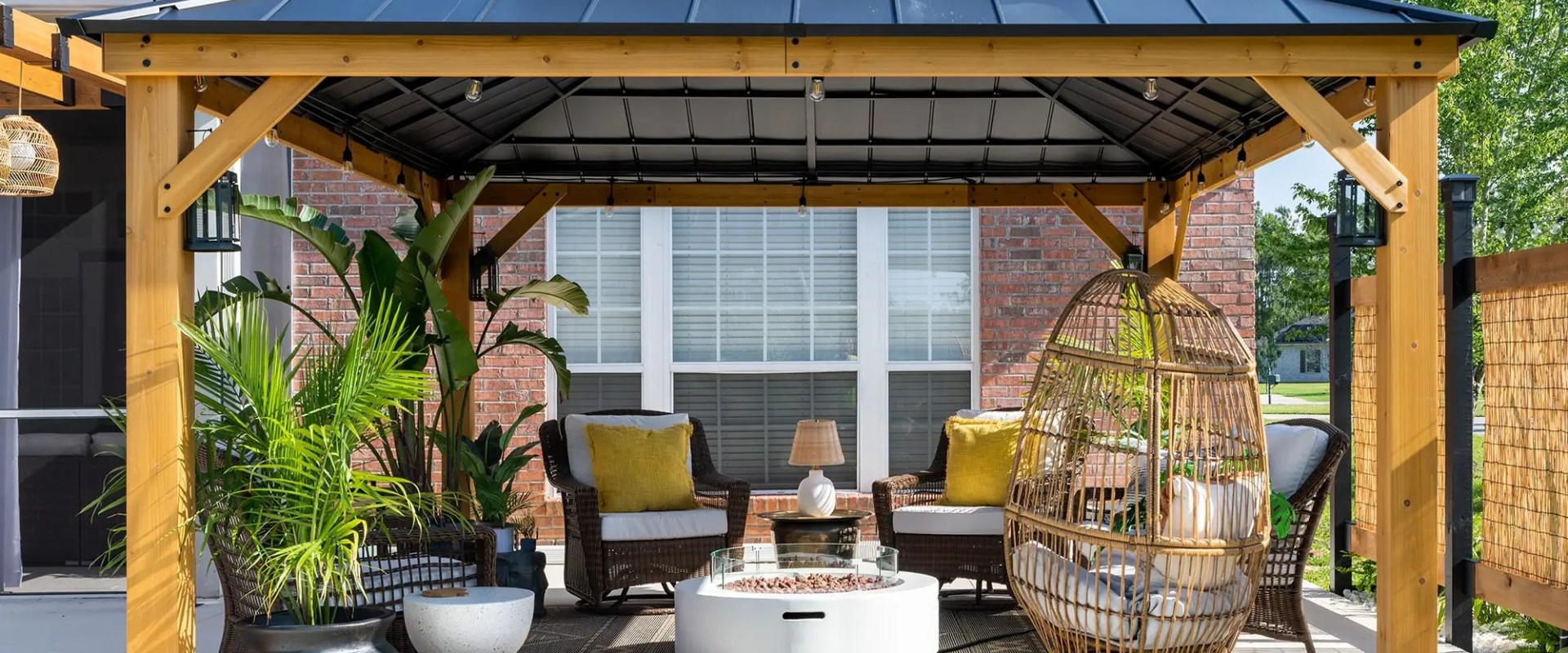
Are you ready to transform your outdoor space into a serene oasis? Gazebo installation instructions are your gateway to creating the perfect retreat right in your backyard. Whether you're planning weekend gatherings or simply seeking a peaceful spot to unwind, a gazebo can elevate your outdoor experience. However, the thought of assembling such a structure might seem daunting. Fear not! In this comprehensive guide titled Essential Steps for Installing Your Gazebo, we will walk you through every crucial step, ensuring that your installation process is as smooth as a summer breeze. From choosing the right location to understanding the essential tools and materials, our detailed instructions will equip you with everything you need to know. So, grab your toolkit and let’s dive into the exciting journey of gazebo installation.
By the end of this article, you’ll not only have a beautifully assembled gazebo but also a newfound confidence in your DIY skills. Let's get started!Installing a gazebo can transform your outdoor space into a cozy retreat, offering shade and style for gatherings with family and friends. The experience of lounging under a beautifully constructed gazebo enhances your enjoyment of the outdoors, but the journey to that finished product can sometimes be riddled with challenges. Common hurdles during installation include figuring out the right tools, selecting a suitable site, and assembling the various components correctly.
This article will provide comprehensive gazebo installation instructions to ensure that your project runs smoothly from start to finish. The first step in your gazebo installation is preparation. Gather all necessary tools and materials before you begin. Essential tools typically include a level, drill, screwdriver, measuring tape, and possibly a saw, depending on your gazebo's design. Additionally, have all parts of your gazebo kit organized and ready for assembly.
Checking the manufacturer's instructions is vital as different manufacturers may have unique components or assembly methods. Once you have everything ready, it's time to focus on site selection. Choosing the right location for your gazebo is crucial; it should be level and away from any obstructions like trees or power lines. Consider the direction of sunlight throughout the day as well as wind patterns, as these factors can influence both comfort and structural integrity. If you are dealing with uneven ground, you may need to level the area or use adjustable feet to accommodate the slope. Now that you’ve selected the perfect spot, it’s time to dive into assembly instructions.
For each type of gazebo, whether it’s a pergola, pop-up model, or permanent structure, the steps can vary significantly. Start by laying out the base of your gazebo according to the manufacturer's directions. Secure the corners first before moving on to attach beams and rafters. It’s essential to follow the instructions step-by-step; missing a single component can lead to issues later on. As you construct the framework, consider using temporary supports if necessary.
This is especially useful for larger gazebos where stability during assembly is key. You may encounter some resistance while fitting pieces together; applying gentle pressure can help but avoid using excessive force as it may damage components. Once your gazebo frame is up, anchoring it securely is critical to withstand wind and other weather conditions. There are several anchoring methods available, including concrete footings or ground stakes. The method you choose should depend on local weather conditions and whether your gazebo will be permanent or temporary.
For instance, pop-up gazebos often use stakes for securing them against wind, while permanent structures benefit from concrete anchors. After anchoring your gazebo, it’s time for some finishing touches. Adding decorative elements such as curtains or lights can enhance the ambiance of your outdoor space. Ensure that any additional structures are also securely attached and that they won't interfere with the integrity of the gazebo itself. During installation, safety precautions are paramount. Always wear appropriate protective gear such as gloves and goggles when handling tools or heavy materials.
If you're working with tall structures or ladders, ensure they are stable and secure before climbing. It’s advisable to have a second person assist during assembly for larger gazebos to help guide pieces into place safely. Throughout this process, disagreements on methods may arise among DIY enthusiasts regarding how best to install specific types of gazebos. Some may prefer using wood over metal for frames due to aesthetic reasons while others might argue for sturdiness or ease of assembly with metal kits. It’s essential to consider both sides; wood offers warmth and beauty but requires more maintenance over time, while metal can provide longevity with less upkeep. In conclusion, successful gazebo installation comes down to careful preparation and attention to detail throughout each stage: from gathering tools and selecting a site to assembly and anchoring methods.
By following these gazebo installation instructions, you can enjoy a beautiful outdoor structure that enhances your home for years to come.
Securing Your Gazebo
To ensure the longevity and stability of your gazebo, it is essential to implement effective securing methods.Securing your gazebo
against the elements will protect it from strong winds, heavy rain, and other environmental factors that could cause damage. One of the most common methods to secure a gazebo is by anchoring it to the ground. This can be achieved using ground anchors or stakes that are driven into the soil. For permanent installations, concrete footings can provide a solid foundation, ensuring that your gazebo remains stable even during harsh weather. In addition to anchoring, it is advisable to useThese bases can be filled with sand or water to add weight and prevent the structure from being lifted by strong gusts of wind. Another important aspect is to check the gazebo's frame regularly for any signs of wear or rust. Reinforcing joints and connections with brackets or additional supports can enhance stability. Additionally, consider using a weather-resistant tarp or canopy to shield the gazebo from rain and snow, further protecting its structure. Finally, ensure that all components are properly assembled according to the manufacturer’s instructions. A well-assembled gazebo is less likely to suffer from instability issues.
By following these securing methods, you can enjoy your outdoor space without worry.
Preparation for Installation
Before diving into the exciting process of assembling your gazebo, it’s essential to take a moment to prepare adequately. This preparation phase can significantly enhance your installation experience and ensure a sturdy, long-lasting structure. Here are the critical steps to follow:1.Site Assessment: Start by evaluating the area where you plan to install your gazebo. Look for a level surface that is free from debris, rocks, or other obstacles.Ensure that the site has good drainage to prevent water accumulation, which can damage the structure over time. Consider the sun's path and the surrounding trees or buildings that may cast shadows on your gazebo.
2.Gather Necessary Tools:
Having the right tools on hand can make installation smooth and efficient. Common tools needed include a measuring tape, level, hammer, drill, and screwdriver. Depending on your gazebo design, you may also need a saw for cutting materials and stakes to secure the frame during assembly.3.Prepare Materials:
Before starting, ensure you have all necessary materials readily available.This typically includes the gazebo kit itself, which should contain pre-cut panels, connectors, and any required hardware like screws and bolts. Check the instruction manual for any additional materials you might need, such as concrete for footings or anchors for stability.
4.Review Instructions:
Lastly, take time to carefully read through the installation instructions included with your gazebo. Familiarize yourself with each step to understand how everything fits together. This will help you anticipate any challenges and make adjustments as needed during the installation process. By following these preparation steps, you'll be well on your way to successfully installing your gazebo and enjoying your outdoor space to the fullest.Maintenance Tips for Longevity
Once your gazebo is installed, proper maintenance is key to ensuring its longevity and beauty.Regular care will not only enhance the appearance of your gazebo but also prevent costly repairs down the line. Firstly, keep your gazebo clean by regularly sweeping away debris such as leaves, dirt, and dust. Use a mild soap solution and a soft cloth to wipe down surfaces, ensuring that you do not use harsh chemicals that could damage the finish. Secondly, inspect your gazebo periodically for any signs of wear or damage. Check the roof for leaks, especially after heavy rainfall, and look for any loose screws or connections. Tighten or replace any components as necessary to maintain stability and safety. Additionally, if your gazebo is made of wood, consider applying a protective sealant or stain every few years to guard against moisture and UV damage.
For metal structures, check for rust and apply anti-rust treatments as needed. Finally, during extreme weather conditions, it may be wise to take additional precautions. For instance, removing fabric canopies before storms can help prevent tearing or damage. By following these simple maintenance tips, your gazebo will continue to be a cherished part of your outdoor space for years to come.
Troubleshooting Common Issues
Installing a gazebo can be a rewarding project, but it often comes with its fair share of challenges. Here are some common issues you might encounter during gazebo installation and effective solutions to overcome them.1.Uneven Ground:
One of the most frequent problems is dealing with uneven ground.To address this, consider using leveling blocks or adjustable feet on the gazebo posts to ensure stability. If the slope is significant, you may need to excavate the area or build a platform to create a level base.
2.Missing Parts:
It can be frustrating to discover that you are missing components during installation. To prevent this, always double-check the parts list before starting and organize all pieces. If you find something is missing, contact the manufacturer for replacements as soon as possible.3.Difficult Assembly:
Sometimes, assembling the gazebo can be more challenging than expected due to unclear instructions.In such cases, refer back to the manual and ensure you are following the steps in order. Watching tutorial videos online can also provide visual guidance that makes assembly easier.
4.Weather Challenges:
If you're facing unexpected rain or wind during installation, it's best to pause the process until conditions improve. Trying to assemble a gazebo in adverse weather can lead to safety hazards and potential damage to materials.5.Structural Instability:
After installation, if the gazebo feels wobbly or unstable, double-check all connections and screws. Ensure everything is tightened properly and consider adding additional bracing if necessary. By being aware of these common issues and their solutions, you can ensure a smoother gazebo installation process and enjoy your outdoor space with peace of mind.Step-by-Step Assembly Instructions
Installing a gazebo can transform your outdoor space into a cozy retreat.To ensure a smooth assembly process, follow these detailed steps tailored for various types of gazebos.
Step 1: Gather Your Tools and Materials
Before beginning the assembly, ensure you have all necessary tools and materials on hand. Common tools include a level, hammer, screwdriver, and possibly a drill. Check the instruction manual for any specific requirements.Step 2: Prepare the Site
Select a suitable location for your gazebo. Clear the area of any debris or vegetation, and level the ground if necessary.This will help ensure stability and longevity for your gazebo.
Step 3: Lay Out the Framework
Begin by laying out the main framework of the gazebo according to the instruction manual. Identify all pieces and ensure they are correctly oriented. This step is crucial for a successful assembly.Step 4: Assemble the Base
Start with the base of the gazebo. Connect the corner posts to form a square or rectangular shape depending on your model.Use brackets or screws as indicated in your manual to secure each connection firmly.
Step 5: Install Vertical Posts
Once the base is stable, erect the vertical posts. Ensure they are plumb using a level. Secure each post to the base with screws or bolts as specified in your instructions.Step 6: Attach Roof Supports
With the vertical posts in place, it's time to install the roof supports. Follow the manual carefully to position each support accurately.This step may require assistance, so consider having a friend help you hold the pieces in place.
Step 7: Install Roof Panels
Next, attach the roof panels. Depending on your gazebo type, this may involve sliding panels into place or securing them with screws. Ensure that each panel is aligned properly and securely fastened.Step 8: Add Finishing Touches
Finally, check all connections and make any necessary adjustments. Add any decorative elements or additional features such as curtains or screens as desired to personalize your gazebo. By following these steps carefully, you can enjoy a well-constructed gazebo that enhances your outdoor living experience. In conclusion, we have explored the essential steps for gazebo installation, starting from Preparation for Installation to Maintenance Tips for Longevity.By carefully following the outlined step-by-step assembly instructions, securing your gazebo properly, and addressing common issues that may arise, you can ensure a successful and enjoyable installation process. We encourage you to refer back to this guide whenever you need a refresher or if you encounter any challenges during the installation. Remember, a well-installed gazebo not only enhances your outdoor space but also provides a perfect spot for relaxation and gatherings with family and friends.