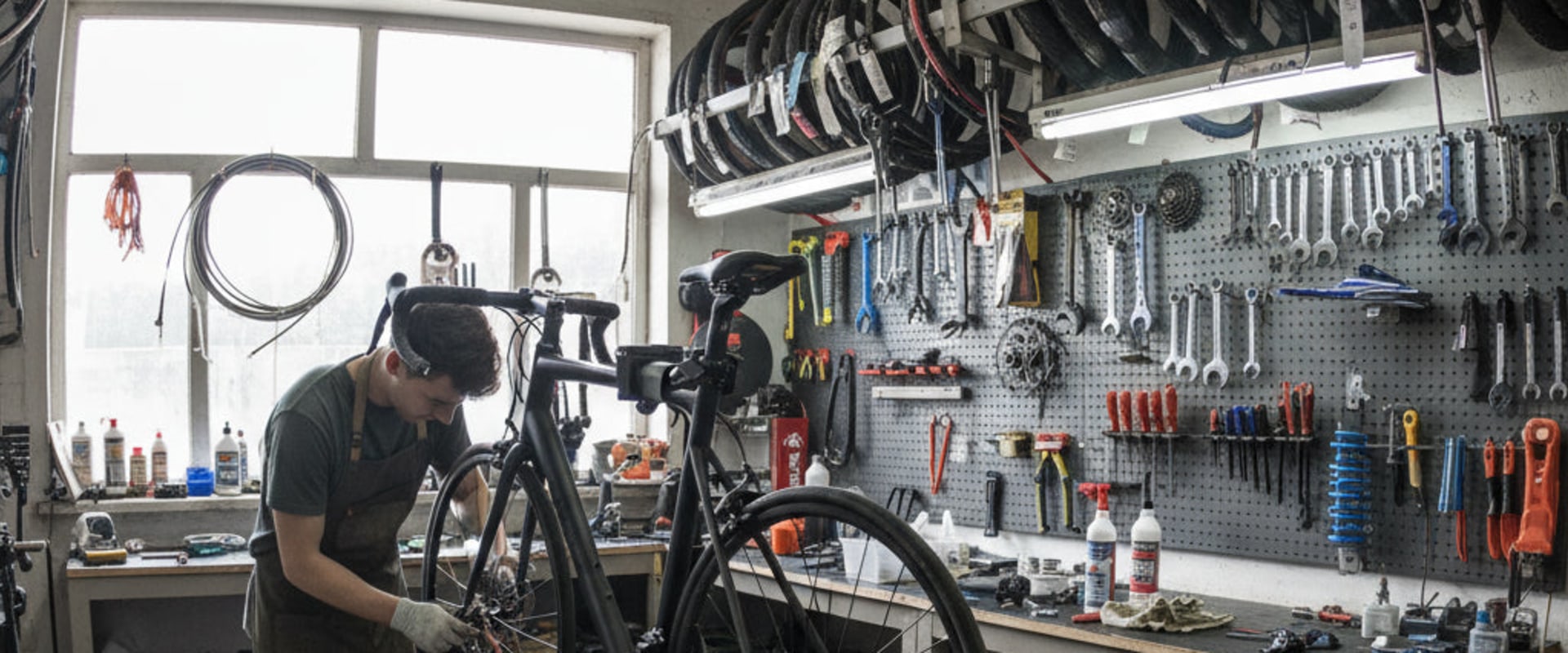
Are you ready to unlock the full potential of your two-wheeled companion? Essential Bicycle Maintenance Tips for Every Rider is here to guide you through the essential practices that keep your bike in top shape. Whether you’re an avid cyclist, a casual rider, or just someone who enjoys leisurely weekend outings, understanding how to care for your bicycle is crucial. Not only does regular maintenance enhance performance, but it also extends the lifespan of your bike and ensures your safety on the road. In this article, we will delve into practical maintenance tips that every rider should know. From checking tire pressure and cleaning the chain to adjusting brakes and lubricating moving parts, we cover everything you need to keep your bicycle running smoothly.
With a little bit of knowledge and effort, you can prevent common problems that lead to costly repairs and enjoy a more reliable riding experience. No matter the type of bicycle you own—be it a mountain bike, road bike, or e-bike—the fundamental maintenance practices remain largely the same. So grab your tools, and let’s embark on this journey to become a more informed and capable cyclist. Your bike deserves the best care, and so do you!Are you ready to keep your bike in top shape and enjoy every ride? Maintenance tips for bicycles are essential not just for prolonging the life of your two-wheeled companion, but also for ensuring your safety and enhancing your riding experience. Whether you are a casual rider, a weekend warrior, or a daily commuter, understanding the fundamentals of bicycle care can make a world of difference. In this comprehensive guide, we will explore essential maintenance tips that every cyclist should know.
From routine checks to seasonal upkeep, these practices will help you identify potential issues before they become major problems. With just a little effort and knowledge, you can transform your bike into a reliable partner for all your adventures. Imagine gliding down the road with confidence, knowing that your bicycle is not only well-maintained but also performing at its best. By following our expert advice on maintenance tips for bicycles, you'll not only save money on repairs but also enhance your overall cycling experience. So grab your tools and let's dive into the world of bicycle maintenance!Regular bicycle maintenance is essential for every rider who wants to ensure their bike performs at its best, remains safe, and lasts for years to come.
Neglecting maintenance can lead to common issues such as poor shifting, brake failure, and even accidents. This article will provide practical tips to keep your bicycle in top condition, covering key maintenance areas like cleaning, lubricating, tire care, brake adjustment, and gear tuning. One of the first areas to focus on is cleaning. Keeping your bicycle clean helps prevent dirt and grime from building up in crucial components. A dirty chain can lead to decreased performance and poor gear shifting.
To clean your bicycle, you will need a bucket of warm soapy water, a sponge or cloth, a soft brush for hard-to-reach areas, and a degreaser for the chain and drivetrain. Begin by using the sponge to wipe down the frame and components, then apply degreaser to the chain and use the brush to scrub away any buildup. Rinse everything with clean water and dry it off with a cloth. Regular cleaning not only enhances the bike's appearance but also prevents wear and tear. The next crucial aspect is lubricating moving parts.
Without proper lubrication, bike parts can wear out quickly due to friction. The chain is especially important; a dry or rusty chain can cause skipping gears and even damage other components. To lubricate your chain, you will need a quality bike lubricant and a rag. First, clean the chain as mentioned earlier.
Once clean and dry, apply a few drops of lubricant to each link while rotating the pedals backward. Wipe off any excess with a rag to prevent dirt from sticking. Aim to lubricate your chain every 100-150 miles or after riding in wet conditions. Tire care is another vital maintenance area that often gets overlooked. Properly inflated tires enhance performance and safety while preventing pinch flats.
To check tire pressure, you will need a pressure gauge. Refer to the sidewall of your tire for the recommended pressure range. If the pressure is low, use a floor pump to inflate the tires to the appropriate level. Additionally, inspect tires for wear and punctures before every ride; this simple check can prevent unexpected breakdowns on the road. Adjusting your brakes is crucial for rider safety.
Poorly functioning brakes can lead to accidents and injuries. To adjust your brakes, you will need an Allen wrench and possibly cable cutters if you need to replace cables. Start by checking the brake pads for wear; if they are worn down close to the indicator line, they should be replaced. For adjustment, squeeze the brake lever to see how close the pads are to the rim; if they are too far away or rubbing against the wheel, use the Allen wrench to adjust the positioning of the brake calipers until they are aligned correctly. Lastly, gear tuning ensures smooth shifting and enhances your riding experience.
Misaligned gears can cause skipping or difficulty in shifting. You will need a screwdriver and possibly a hex wrench for this task. Start by inspecting the derailleur alignment; if it appears off-center, use the screwdriver to adjust it until it lines up with the cassette. Check the tension of the cable by shifting through all gears; if it feels loose or tight, adjust accordingly using the barrel adjuster on your shifter or derailleur. Real-life scenarios illustrate just how important these maintenance tasks are.
A commuter who neglected regular cleaning found themselves stranded when their chain broke during rush hour due to excessive dirt buildup. Another rider avoided an accident by regularly checking their brake pads; they discovered worn pads just before embarking on a steep downhill ride. These cases highlight that proper maintenance not only enhances performance but can also prevent dangerous situations. While some riders may debate how often these tasks should be performed—some recommend cleaning after every ride while others suggest once every few weeks—the key takeaway is that maintenance frequency largely depends on personal preference and riding frequency. Riders who frequently tackle rough terrain or commute daily may find themselves performing these tasks more often than those who ride casually on weekends. In conclusion, prioritizing regular bicycle maintenance ensures your bike remains in peak condition for performance, safety, and longevity.
By following these practical tips and understanding the importance of each maintenance area, every rider can enjoy a smoother ride and prevent unexpected issues on their cycling adventures. Regular bicycle maintenance is essential for every rider who wants to enhance their bike's performance, ensure safety, and extend its lifespan. Neglecting maintenance can lead to common issues such as poor gear shifting, brake failure, and tire blowouts, which not only compromise the riding experience but can also pose serious safety risks. This article will provide practical tips to keep your bicycle in top condition by outlining key maintenance areas such as cleaning, lubricating, tire care, brake adjustment, and gear tuning.
Cleaning
your bicycle is the first step in maintaining its overall condition. Dirt and grime can build up on the frame, components, and drivetrain, leading to wear and tear.A clean bike not only looks great but also performs better. To clean your bike, gather the following tools: a soft brush, a sponge, a bucket of warm soapy water, and a hose or spray bottle. Start by rinsing off any loose dirt with water. Then, use the sponge and brush to scrub away any stubborn grime, making sure to pay attention to the chain and gears.
After cleaning, rinse the bike thoroughly with water and dry it with a clean cloth. Regular cleaning after rides in muddy or wet conditions is advisable.
Lubricating
the moving parts of your bicycle is crucial for smooth operation. A dry chain can cause poor gear shifting and increased wear on components. To lubricate your bike, you will need a bike-specific lubricant and a clean rag.First, ensure that the chain is clean; if it’s dirty, clean it with degreaser before applying lubricant. Once clean, apply a small amount of lubricant to each link of the chain while turning the pedals backward. Wipe off any excess lubricant with a rag to prevent attracting more dirt. Depending on your riding frequency and conditions, lubricating the chain every few weeks is generally recommended.
Tire care
is another critical aspect of bicycle maintenance.Properly inflated tires not only enhance performance but also improve safety by reducing the risk of blowouts or pinch flats. To check tire pressure, you will need a pressure gauge or simply squeeze the tire; it should feel firm but not rock hard. Inflate tires to the manufacturer’s recommended pressure found on the sidewall. Inspect tires regularly for signs of wear or embedded debris.
If you notice any cuts or bald spots, consider replacing the tire. Keeping tires properly inflated and free from debris can dramatically reduce the likelihood of accidents.
Brake adjustment
is vital for ensuring that your bicycle stops effectively when needed. Over time, brake cables can stretch or pads can wear down, impacting braking performance. To adjust brakes, you’ll need an adjustable wrench or Allen key depending on your brake system.Start by checking the brake pads; they should contact the rim evenly when engaged. If they don’t, use the adjustment screws to align them properly. Test the brakes after adjustment by squeezing the levers to ensure they engage smoothly without requiring excessive force. Regular adjustments are necessary especially if you notice any changes in braking response.
Gear tuning
ensures that shifting between gears is smooth and accurate.Poorly adjusted gears can lead to missed shifts or chain skips, which can be frustrating during rides. For tuning gears, you’ll need a screwdriver and possibly a 5mm Allen key for derailleur adjustments. Start by inspecting the derailleur alignment; it should be parallel with the cassette. Use the limit screws to adjust how far the derailleur moves when shifting into higher or lower gears.
Test each gear by shifting while pedaling; if it doesn’t shift smoothly, further adjustments may be necessary. Regular tuning is beneficial especially if you frequently ride in varying terrains. Real-life scenarios illustrate how proper maintenance has prevented breakdowns or accidents. For instance, a cyclist who regularly lubricated their chain avoided a severe gear skip during a steep climb, while another rider who neglected tire pressure experienced a flat tire mid-ride, resulting in an inconvenient walk home. These examples underscore how regular maintenance plays a crucial role in ensuring safety and reliability. While there may be differing opinions on how often certain maintenance tasks should be performed—some suggest cleaning after every ride while others argue that once a month suffices—it ultimately comes down to personal preference and riding frequency.
Riders who frequently tackle rough terrains or ride in adverse weather conditions may find themselves needing to perform these tasks more often than those who ride leisurely on smooth paths. In conclusion, embracing these essential maintenance tips will not only keep your bicycle in top condition but also enhance your overall riding experience by preventing issues before they arise.
Tire Care and Maintenance
Proper tire care is essential for ensuring a smooth and safe ride. Regularly checking your tire pressure is one of the most critical maintenance tasks. Tires can lose air over time, which can lead to decreased performance and increased wear. To check your tire pressure, use a reliable pressure gauge.The recommended pressure is usually found on the tire's sidewall or in the manufacturer's specifications. Make it a habit to check the pressure at least once a month and before long rides. In addition to monitoring tire pressure, it's important to inspect your tires for signs of wear and damage. Look for any cracks, bulges, or punctures in the rubber. The tread depth is also a key factor; if the tread is worn down to 1/16th of an inch or less, it's time to consider replacing your tires.
You can perform a simple tread test using a penny: insert the penny into the tread with Lincoln's head down; if you can see all of Lincoln's head, your tires may be too worn. When it comes to replacing tires, don't wait until you are experiencing issues on the road. Keeping an eye on the condition of your tires can prevent accidents and maintain optimal performance. Always choose tires that are suitable for your riding style and conditions, whether you are commuting in the city or tackling rugged trails. By staying proactive with tire maintenance, you can enhance your bicycle's safety and longevity.
Brake Adjustments
Ensuring your bicycle's brakes are properly adjusted is crucial for optimal stopping power and rider safety.Over time, brake cables can stretch and pads can wear down, affecting performance. Regular inspections and adjustments can help maintain a safe riding experience. To begin, check the brake pads for wear. They should make even contact with the rim when engaged. If the pads are worn down or uneven, it may be time to replace them.
Next, inspect the cable tension; squeeze the brake levers and observe the response. If the brakes don’t engage quickly or feel spongy, you’ll need to adjust the cable tension. To adjust the brake cable tension, locate the barrel adjuster on the brake lever or caliper. Turn it counterclockwise to increase tension and improve responsiveness. Be cautious not to overtighten, as this can lead to brake drag.
After adjusting, test the brakes again to ensure they engage properly. If your bike has rim brakes, check the alignment of the brake arms. They should be parallel to the rim. If they’re misaligned, use an allen wrench to loosen the mounting bolt and reposition them before retightening. For disc brakes, inspect the rotor for any bends or debris that could hinder performance. Ensure that the caliper is aligned with the rotor by loosening its mounting bolts and adjusting as necessary.
Once aligned, retighten the bolts securely. Finally, always perform a test ride after making adjustments to ensure everything functions correctly. Regular brake adjustments not only enhance performance but also significantly improve safety on your rides.
Gear Tuning
Proper gear tuning is essential for ensuring a smooth and efficient riding experience. When your bicycle gears are well-tuned, shifting becomes effortless, allowing you to maintain speed and power throughout your ride. To achieve optimal gear tuning, follow these steps to check and adjust your gears. First, start by inspecting your derailleur alignment.The derailleur should be positioned so that it can effectively guide the chain between the gears. If the derailleur is misaligned, you may experience difficulties shifting or may even damage your bike. Next, check the cable tension. If the cables are too loose or too tight, they can hinder smooth shifting. To adjust cable tension, locate the barrel adjuster on the derailleur or shifter.
Turning the barrel adjuster clockwise increases tension, while counterclockwise decreases it. Make small adjustments and test the shifting after each change. Now, examine the limit screws on your derailleur. These screws control how far the derailleur can move in both directions, preventing the chain from falling off the cogs. Adjust the high and low limit screws to ensure that the derailleur can shift smoothly between the smallest and largest gears without overshooting. Finally, take your bike for a test ride.
Shift through all gears to confirm that each transition is smooth and responsive. If you notice any skipping or delays, repeat the adjustments until you achieve perfect gear tuning. Regular maintenance of your bike’s gears will enhance performance, improve safety, and extend the longevity of your bicycle.
Lubrication Techniques
Proper lubrication is a crucial aspect of bicycle maintenance that ensures smooth operation and extends the lifespan of various components. Different parts of your bike require different types of lubricants, and understanding which to use and how often to apply them can significantly enhance your riding experience. For the chain, a high-quality bike chain lubricant is essential.These come in two main types: wet and dry lubricants. Wet lubricants are ideal for wet or muddy conditions as they resist water wash-off, while dry lubricants are better for dry and dusty environments because they attract less dirt. Typically, you should clean and re-lubricate your chain every 100-200 miles, or more frequently if you ride in harsh conditions. The derailleur and other moving parts like the shifters should also receive regular lubrication. A lightweight oil can be applied sparingly to pivot points to ensure smooth shifting.
This should be done every few weeks or after washing your bike. Your bike’s brake cables can benefit from occasional lubrication as well. Using a light oil on the cables can prevent rust and ensure responsive braking. It’s advisable to check the cables during routine maintenance and apply lubricant as needed. The wheel hubs and bottom bracket may require greasing rather than oiling. A quality bicycle grease should be used here, and it’s recommended to service these components once a year or every 1,500 miles, depending on usage. Lastly, don’t forget about the pedals.
If they are not sealed, adding grease to the bearings can help maintain their functionality. This can be checked during your regular maintenance schedule. By understanding the specific lubrication needs of different components, you can keep your bicycle running smoothly and safely. Regular attention to lubrication not only improves performance but also prevents costly repairs in the long run.
Gear Tuning
Proper gear tuning is essential for a smooth riding experience. To check your bicycle's gears, start by shifting through each gear while pedaling.Listen for any unusual sounds, such as grinding or skipping, which can indicate misalignment. If the chain struggles to shift up or down, it may require adjustment. To tune your gears, locate the barrel adjuster on the derailleur. Turn it clockwise to tighten the cable and counterclockwise to loosen it. Make small adjustments and test the shifting after each change.
If the chain consistently skips or doesn’t catch the gears properly, you may need to check the limit screws on the derailleur. These screws control how far the derailleur can move in either direction. Additionally, ensure that your chain is clean and well-lubricated, as a dirty or dry chain can also affect shifting performance. Regularly inspect the derailleur hanger to ensure it's not bent, as this can lead to alignment issues. By maintaining properly tuned gears, you enhance not only your bike's performance but also your overall safety and riding enjoyment.
Tire Care and Maintenance
Tire care is crucial for ensuring a safe and smooth ride. Regularly checking your tire pressure is one of the most important maintenance tasks every cyclist should perform.Properly inflated tires can significantly enhance performance and improve fuel efficiency, while under-inflated tires can lead to increased rolling resistance, making it harder to pedal. To check tire pressure, use a reliable pressure gauge. Refer to the recommended PSI (pounds per square inch) indicated on the sidewall of your tires. It’s best to check tire pressure before each ride, especially if you haven't ridden in a while. If the pressure is low, pump the tires to the appropriate level. In addition to checking pressure, inspecting for wear is essential.
Look for signs of uneven tread wear, cracks, or bulges in the tire. These can indicate that it's time for a replacement. A worn-out tire may compromise grip and increase the risk of flats or blowouts. When it comes to replacing tires, consider factors such as your riding style, terrain, and weather conditions. If you frequently ride on rough surfaces or in wet conditions, choose tires designed for durability and traction.
Regularly updating your tires will not only keep your ride safe but also enhance overall cycling performance.
Cleaning Your Bicycle
Cleaning your bicycle is an essential part of maintenance that enhances both performance and appearance. Regular cleaning prevents dirt and grime from accumulating, which can lead to wear and tear on components. Here are the steps to effectively clean your bicycle.Step 1: Gather Supplies
- Before you begin, gather all necessary cleaning supplies. You will need a bucket of warm water, mild dish soap, a soft sponge or cloth, a stiff-bristled brush for tough spots, and a degreaser for the drivetrain.Additionally, have a hose or a spray bottle for rinsing.
Step 2: Rinse Your Bicycle
- Start by rinsing your bicycle with water to remove loose dirt and debris. Be careful to avoid spraying directly into bearings or electronic components, especially if you have an e-bike.Step 3: Clean the Frame
- Using the soapy water and soft sponge or cloth, gently clean the frame of your bicycle. Pay attention to areas where dirt tends to accumulate, such as around the bottom bracket and seat post. If your bike has a matte finish or is made of carbon fiber, use a specific cleaner designed for those materials to avoid damage.Step 4: Degrease the Drivetrain
- Apply degreaser to the chain, chainrings, and cassette.Allow it to sit for a few minutes to break down grease and grime. Use a stiff-bristled brush to scrub these components thoroughly before rinsing them with water.
Step 5: Rinse Again
- After cleaning all parts of the bicycle, rinse everything thoroughly with clean water to remove any soap and degreaser residue. This is crucial for preventing corrosion and ensuring smooth operation.Step 6: Dry Your Bicycle
- Use a clean cloth to dry your bicycle completely. Pay special attention to areas where moisture can accumulate, such as the brakes and gears.Step 7: Lubricate Moving Parts
- Once your bike is dry, apply lubricant to the chain and other moving parts like derailleurs and brake pivots.Wipe away any excess lubricant to prevent attracting dirt. By following these steps and using the right products for your bike's materials, you can keep your bicycle looking great and functioning optimally. Regular cleaning not only enhances aesthetics but also contributes significantly to the longevity of your ride.
Brake Adjustments
Brake adjustments are crucial for ensuring your bicycle has optimal stopping power. Regularly inspecting and adjusting your brakes can significantly enhance your safety while riding. Here’s how to inspect and adjust your bicycle brakes effectively. First, inspect the brake pads.Check for wear and tear; they should not be too thin or cracked. If they are worn down, replace them immediately to maintain effective braking performance. Next, squeeze the brake levers and observe how close the pads come to the rim. If the pads do not make contact with the rim or if they touch the rim unevenly, it's time to adjust them. Use a 5mm Allen wrench to loosen the bolt holding the brake pad in place, reposition it so it aligns properly with the rim, and then tighten the bolt again. After adjusting the pads, check the
If the brakes feel loose or require excessive force to engage, you may need to tighten the cable. Locate the barrel adjuster on the brake lever or near the brake caliper. Turn it clockwise to increase tension or counterclockwise to decrease it until you achieve a comfortable lever feel. Finally, test your brakes after making adjustments. Spin the wheels and pull the brake levers firmly to ensure that the pads engage smoothly and provide sufficient stopping power.
If everything feels right, you’re good to go!By following these steps for brake adjustments, you can ensure that your bicycle is safe and ready for any ride.
Lubrication Techniques
Lubrication is a critical aspect of bicycle maintenance that ensures the smooth functioning of various components. Proper lubrication reduces friction, prevents wear and tear, and protects against rust and corrosion. Different parts of your bicycle require specific types of lubricants, and understanding these distinctions is essential for maintaining optimal performance. For your chain, a high-quality bike chain lubricant is vital. There are generally two types: wet and dry lubricants.Wet lubricants are best for wet conditions as they resist moisture, while dry lubricants are ideal for dry, dusty environments as they attract less dirt. It's recommended to apply lubricant to the chain every 100-200 miles, or more frequently in adverse weather conditions. The gears and derailleurs also benefit from regular lubrication. Use a lightweight oil or a specific bike lubricant to ensure smooth shifting. Apply lubricant sparingly to the pivot points and let it penetrate before wiping away any excess.
This should be done every few weeks, or more often if you ride frequently. Your brake cables and housing should be lubricated to ensure responsive braking performance. A light oil can be used here; however, avoid getting lubricant on the brake pads or rotor, as this can compromise braking efficiency. Check and lubricate these components every few months or whenever you notice stiffness in the cable movement. Lastly, don't overlook the wheel hubs. These should be serviced regularly with grease specifically designed for bearings.
Depending on your riding frequency and conditions, consider checking and re-greasing the hubs at least once a year. Remember, regular lubrication not only enhances performance but also prolongs the lifespan of your bicycle components.
Cleaning Your Bicycle
Keeping your bicycle clean is crucial for maintaining its performance and extending its lifespan. Dirt, grime, and debris can accumulate over time, leading to potential issues with the bike's components. Here are some effective steps to clean your bicycle thoroughly.Step 1: Gather Your Cleaning Supplies
Before you start cleaning, gather the necessary supplies.You will need:
- A bucket of warm water
- Mild soap or a dedicated bike cleaning solution
- A soft sponge or cloth
- A stiff brush for the drivetrain
- An old toothbrush for hard-to-reach areas
- Rags for drying
- A degreaser for the chain and gearsStep 2: Rinse Your BicycleBegin by rinsing your bicycle with water to remove loose dirt and debris. Avoid using a high-pressure hose, as it can force water into sensitive areas like bearings and seals.
Step 3: Apply Soap
Fill a bucket with warm water and add a few drops of mild soap or bike-specific cleaning solution. Use your sponge or cloth to apply the soapy water to the frame, wheels, and other components. For areas with stubborn dirt, use the stiff brush to scrub gently.Step 4: Clean the Drivetrain
The drivetrain is one of the dirtiest parts of your bike.Apply a degreaser to the chain, cassette, and derailleurs, allowing it to sit for a few minutes before scrubbing with the stiff brush. Wipe off any excess degreaser with a rag.
Step 5: Rinse Again
After cleaning, rinse your bike thoroughly with clean water to remove all soap and dirt residues. Ensure that no soapy solution remains on any parts of the bicycle.Step 6: Dry Your Bicycle
Using clean rags, dry your bicycle completely. Pay special attention to areas like the chain and gears to prevent rust from forming.Step 7: Lubricate Moving Parts
Once your bike is clean and dry, it’s essential to lubricate moving parts such as the chain and derailleur pivots.Use a suitable bike lubricant and wipe off any excess to avoid attracting more dirt. By following these steps regularly, you can keep your bicycle in top condition, enhancing both its performance and longevity. Regular cleaning not only makes your bike look good but also helps in identifying any potential issues before they become serious problems. In conclusion, maintaining your bicycle is crucial for ensuring its performance, safety, and longevity. We have discussed several essential maintenance tips, including cleaning your bicycle, employing effective lubrication techniques, ensuring proper tire care and maintenance, making necessary brake adjustments, and fine-tuning your gears. By following these guidelines, you can prevent common issues that arise from neglect and enjoy a smoother, safer ride. We encourage you to create a regular maintenance schedule tailored to your riding habits.
Consistent upkeep will not only enhance your cycling experience but also provide peace of mind knowing that your bicycle is in optimal condition. Remember, a well-maintained bicycle leads to improved safety and greater enjoyment on every ride!In conclusion, maintaining your bicycle is essential for ensuring optimal performance, safety, and longevity. We have discussed several key maintenance tips including Cleaning Your Bicycle, Lubrication Techniques, Tire Care and Maintenance, Brake Adjustments, and Gear Tuning. By implementing these practices, you can prevent common issues that arise from neglecting maintenance and enhance your overall riding experience. We encourage you to create a regular maintenance schedule based on your riding habits.
Whether you ride daily or occasionally, a proactive approach to bicycle care will not only boost your bike's performance but also ensure your safety on the road. Remember, a well-maintained bicycle is a reliable companion for all your adventures!.