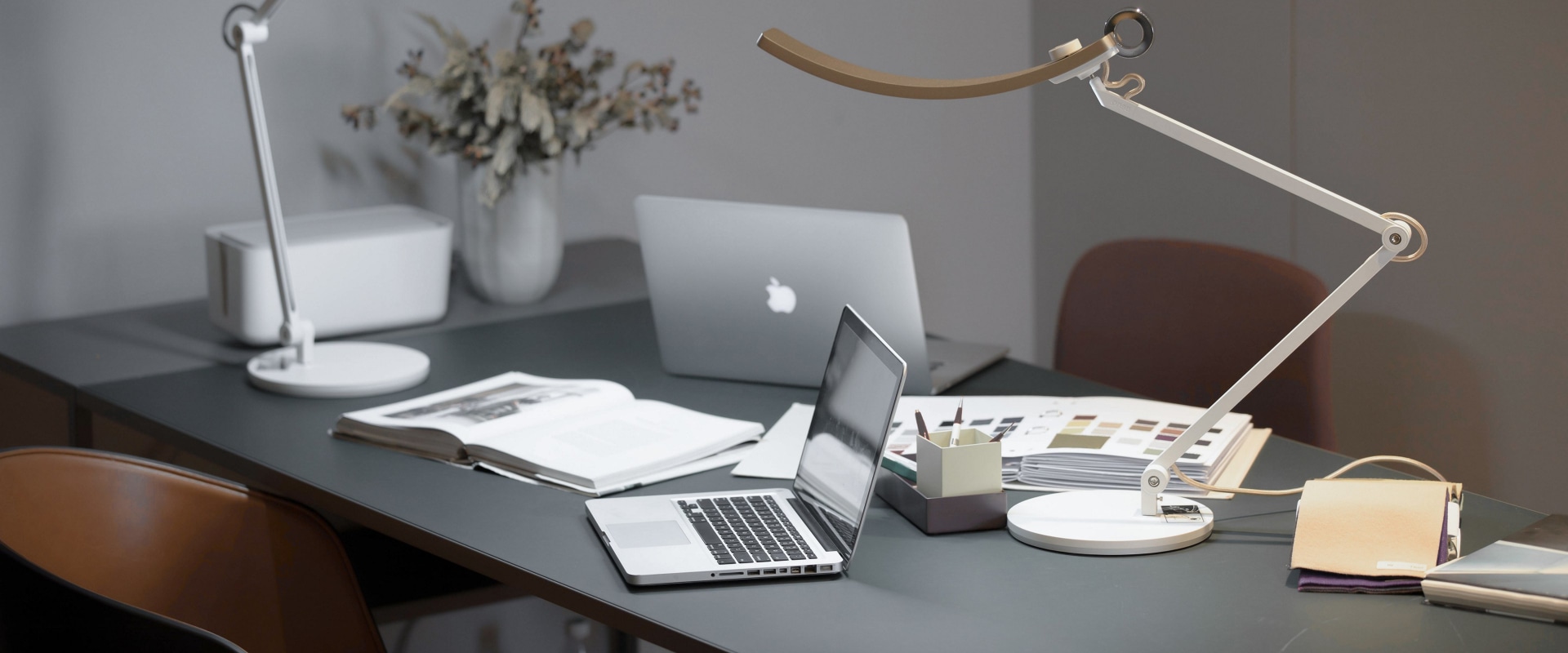
Welcome to our comprehensive guide on Laptop setup guides, where we’ll walk you through the essential steps to ensure your laptop is configured for optimal performance and usability. Whether you’ve just unboxed a brand-new device or are looking to enhance your existing setup, understanding the intricacies of laptop configuration can make a significant difference in your daily productivity. In today’s fast-paced digital world, having a properly set up laptop isn’t just a luxury; it’s a necessity. From choosing the right operating system to optimizing your settings for maximum efficiency, every decision counts.
This guide will provide you with detailed instructions that cater to users of all skill levels, ensuring that everyone can benefit from our expert insights. As technology continues to evolve, so do the features and capabilities of laptops. With a myriad of options available, it can be overwhelming to know where to start. Our Laptop setup guides will demystify the process, giving you the confidence to navigate through initial installations, software updates, security configurations, and much more. By following these essential setup instructions, not only will you improve your laptop's functionality, but you'll also create a personalized workspace that caters to your unique needs. So, let’s dive into the world of laptop setup and unlock the full potential of your device!When you first unbox your new laptop, it's not just about tearing off the packaging; it's about understanding the importance of a proper laptop setup.
This initial moment sets the tone for your experience with the device. Check the contents of the box carefully. You should find the laptop itself, a power adapter, and possibly some documentation, such as a quick start guide or warranty information. Make sure to identify all accessories included, as they are essential for getting your laptop up and running. Once you have everything out of the box, it’s time to move on to hardware setup.
Start by connecting any peripherals you might be using, such as a mouse, keyboard, or external monitor. Ensure that your laptop is plugged in and charging before turning it on for the first time. This helps to prevent any interruptions during the initial setup process. After powering on your laptop, you will likely need to go through an initial software setup. If your laptop doesn’t come with the operating system already installed, follow the on-screen instructions to install it.
If it does, check for any available updates as soon as you’re logged in. Keeping your operating system up-to-date is crucial for security and performance. Next, you will want to configure some basic settings to tailor the laptop to your needs. Begin with display options; adjust the screen brightness and resolution to ensure optimal viewing comfort. Familiarize yourself with keyboard shortcuts that can enhance your productivity.
For example, knowing how to quickly switch between applications or take screenshots can save you time. Security features are another essential aspect of your laptop setup. Set up a user account with a strong password and enable features like biometrics or two-factor authentication if available. This ensures that your personal information remains protected right from the start. Connecting to Wi-Fi is one of the next crucial steps in setting up your laptop. Access the network settings and select your Wi-Fi network from the list of available connections.
Enter the password when prompted and confirm that you are connected to the internet. A stable internet connection is vital for downloading necessary applications and updates. Setting up email accounts is also an important part of getting started. Most laptops come with built-in email applications that make this process straightforward. Enter your email address and password to sync your accounts, ensuring you can stay connected from day one.
If needed, consult any provided guides specific to your email service provider for additional assistance. Despite best efforts, issues may arise during your laptop setup. Common troubleshooting scenarios include resolving connectivity issues. If you find that you cannot connect to Wi-Fi, try restarting your router or checking if airplane mode is accidentally enabled on your device. Software conflicts may also occur; if an application doesn’t work as expected, consider uninstalling and reinstalling it or looking for updates. Throughout this process, practical tips can significantly enhance user experience.
For instance, organizing files into folders right from the start can save you time later on. Consider utilizing built-in apps like note-taking tools or calendars effectively to help streamline your workflow. Finally, many laptop manufacturers provide downloadable manuals that can be incredibly useful for further assistance during and after setup. These manuals often include detailed troubleshooting guides and specifications that can help you get the most out of your device.
Connecting to the Internet and Other Devices
Setting up your laptop to connect to the internet and other devices is a crucial step in ensuring optimal functionality. This section will guide you through the process of establishing a Wi-Fi connection and connecting various peripherals.Wi-Fi Setup:
To begin, locate the Wi-Fi icon on your laptop, usually found in the system tray at the bottom right corner of your screen.Click on this icon to view available networks. Select your desired Wi-Fi network from the list and click 'Connect'. You will be prompted to enter the Wi-Fi password. Make sure to input it correctly, as it is case-sensitive.
Once entered, click 'OK' or 'Connect' again. If successful, your laptop will now be connected to the internet.
Connecting Peripheral Devices:
To connect external devices such as printers, mice, or keyboards, start by ensuring the device is powered on. For Bluetooth devices, navigate to your laptop's settings by clicking on the 'Start' menu and selecting 'Settings'. From there, go to 'Devices' and then 'Bluetooth & other devices'.Turn on Bluetooth and click 'Add Bluetooth or other device'. Follow the prompts to pair your device. For wired connections, simply plug the device into an available USB port, and your laptop should automatically recognize it. By following these instructions, you can easily connect your laptop to the internet and other essential devices, enhancing your overall computing experience.
Unboxing Your Laptop: What to Expect
Unboxing your new laptop is an exciting moment, and knowing what to expect can enhance that experience. Inside the box, you will typically find the laptop itself, which is often secured in a protective sleeve or foam to prevent damage during shipping.Alongside the laptop, there should be a power adapter and a charging cable, which are essential for powering your device. Additionally, some manufacturers include a user manual or quick start guide that offers basic instructions for setup. Before you begin your initial hardware setup, take a moment to inspect all the components. Ensure that you have received everything listed on the packaging. Look for any additional accessories such as a warranty card, setup CD, or additional peripherals like a mouse or carrying case, depending on your purchase. Once you’ve confirmed that everything is present, it’s time to set up your laptop.
Start by placing the laptop on a flat surface and connect the power adapter to an electrical outlet. Plug the other end into your laptop to ensure it has sufficient power as you proceed with the setup process. After connecting the power, open the laptop lid and press the power button. This will initiate the boot-up process, and you should see the manufacturer's logo on the screen shortly thereafter. Follow the onscreen prompts to complete your initial setup.
Configuring Your Laptop Settings
Personalizing your laptop settings is crucial for enhancing its performance and ensuring a smooth user experience.By adjusting various settings, you can optimize the functionality of your device to suit your needs. Here are some essential steps to personalize settings for optimal performance:First, start with the display settings. Adjusting the brightness and resolution can significantly impact your viewing experience. Navigate to the display settings in your laptop's control panel or system preferences.
Here, you can change the screen resolution to match the native resolution of your display, which improves clarity and reduces eye strain. Next, consider configuring your power settings. Depending on whether you use your laptop primarily at home or on the go, you can choose power-saving modes or high-performance settings. Access the power options from the control panel, where you can select a power plan that best suits your usage habits, prolonging battery life without sacrificing performance. Another important area is sound settings. Ensure that your audio output devices are correctly configured, whether you're using built-in speakers or external headphones.
You can access sound settings from the control panel to adjust volume levels and set default playback devices. Don’t forget about privacy and security settings. Enable features like a password-protected screen saver and firewall to safeguard your data. Go to the privacy settings to manage app permissions and ensure only trusted applications have access to sensitive information. Lastly, customize your desktop environment. Organize your desktop by creating folders for different types of files and shortcuts to frequently used programs.
You can also change your wallpaper and theme to create a workspace that feels comfortable and motivating. Following these steps will help you configure your laptop settings effectively, leading to a more productive and enjoyable computing experience.
Setting Up Your Operating System
Once you have unboxed your laptop, the first critical step is to set up your operating system. This process is essential for ensuring that your device runs smoothly and efficiently.Software installation
and system updates are fundamental components of this setup phase. Begin by powering on your laptop. Most modern laptops will guide you through a setup wizard that will prompt you to select your language, connect to Wi-Fi, and log into or create a user account.Follow these prompts carefully to establish a solid foundation for your operating system. After the initial setup, the next step is to ensure that your operating system is up to date. Go to the settings menu—usually represented by a gear icon—and look for the Updates or Software Update section. Click on it to check for any available updates. Installing these updates is crucial as they often contain important security patches and performance enhancements. If your laptop came pre-installed with software, it’s a good idea to review these applications and uninstall any unnecessary programs that may slow down your device.
Use the Control Panel (Windows) or Applications folder (macOS) to manage your installed software. For additional functionality, consider downloading essential programs such as web browsers, office suites, and antivirus software. Ensure that you download these applications from reputable sources to avoid malware and other security risks. Once all installations are complete and your system is updated, take a moment to personalize your settings. This can include adjusting display settings, configuring power options, and customizing notifications according to your preferences. Following these steps will not only help you set up your operating system correctly but also prepare your laptop for optimal use in the future.
Troubleshooting Common Issues
Setting up a new laptop can be an exciting experience, but it often comes with its fair share of challenges. Below are some common problems users face during the setup process, along with effective solutions to help you overcome them.1.Connectivity Issues:
One of the first steps in setting up your laptop is connecting to the internet.Users often encounter difficulties in connecting to Wi-Fi networks. To resolve this, ensure that your Wi-Fi is turned on and airplane mode is disabled. If your laptop doesn't detect available networks, try restarting the router and the laptop. In some cases, updating the network drivers may also help.
2.Software Installation Problems:
Installing necessary software can sometimes be problematic.Users may face issues with downloading or installing applications. If you receive error messages during installation, check your internet connection and ensure that you have enough storage space on your laptop. Additionally, running the installer as an administrator can often solve permission-related issues.
3.Display Issues:
After setting up a new laptop, you might notice problems with the display, such as resolution settings not being optimal or screen flickering. To address this, right-click on your desktop and select 'Display settings.' Adjust the resolution to match the recommended settings for your screen.If flickering persists, check for graphics driver updates or consider rolling back recent driver updates.
4.Peripheral Device Recognition:
Many users struggle with getting peripherals like printers, mice, or external drives recognized by their new laptops. Ensure that devices are properly connected and powered on. For USB devices, try different ports to see if they are recognized. If issues continue, check for driver updates specific to the peripherals.5.Battery and Power Issues:
New laptops may sometimes experience power issues, such as not charging or shutting down unexpectedly.First, verify that the charger is connected properly and functioning. If the laptop does not charge, try a different outlet or charger if available. Additionally, check the battery settings in 'Control Panel' to ensure power management settings are appropriately configured.
6.Sound Issues:
Sound problems are common when setting up a new laptop. If you can't hear audio or experience distortion, check that the volume is turned up and not muted.Also, ensure that the correct playback device is selected in 'Sound settings.' Updating audio drivers can also resolve many sound-related issues. By following these troubleshooting tips, you can navigate through common challenges effectively and enjoy a smoother setup experience on your new laptop. In conclusion, proper laptop setup is crucial for ensuring optimal performance and a seamless user experience. We discussed the essential steps, including unboxing your laptop, setting up your operating system, configuring your laptop settings, and connecting to the internet and other devices. By following these guidelines, you can avoid common challenges such as software installation woes and connectivity issues. It is important to remember that taking the time to follow these setup procedures can significantly enhance your laptop's performance and functionality. As you continue to explore your new device, we encourage you to seek additional resources such as user manuals and online forums. . By following these guidelines, you can avoid common challenges such as software installation woes and connectivity issues. It is important to remember that taking the time to follow these setup procedures can significantly enhance your laptop's performance and functionality. As you continue to explore your new device, we encourage you to seek additional resources such as user manuals and online forums.
These platforms can offer valuable ongoing support, helping you troubleshoot any issues and personalize your laptop to suit your needs.