In our fast-paced digital world, smartphones have become an indispensable part of our daily lives. From staying connected with loved ones to managing our work tasks on the go, these powerful devices have transformed the way we communicate and interact. However, just like any other technology, smartphones are not immune to issues and glitches that can disrupt our routines. Whether it's a stubborn app that won't open, a battery that drains too quickly, or connectivity problems that leave you frustrated, having a reliable set of smartphone troubleshooting tips at your fingertips can make all the difference. This article is designed to equip you with essential strategies to tackle common smartphone problems effectively.
We'll delve into practical solutions that can help you diagnose and resolve issues without the need for professional assistance or costly repairs. By understanding your device better and learning how to troubleshoot effectively, you'll not only save time but also enhance your overall smartphone experience. Join us as we explore these invaluable tips that will empower you to take control of your device and navigate through any challenges that may arise. Don’t let technical difficulties hold you back; read on to discover how you can ensure your smartphone continues to serve you well in every aspect of your life. Smartphones have become an indispensable part of our daily lives, serving as communication devices, entertainment hubs, and essential tools for productivity. However, with this reliance comes the frustration of encountering various issues that can disrupt our experience.
Whether it’s a battery that drains too quickly, connectivity problems, software glitches, or hardware failures, knowing how to troubleshoot these issues can save users time and stress. In this guide, we will cover practical Whether it’s a battery that drains too quickly, connectivity problems, software glitches, or hardware failures, knowing how to troubleshoot these issues can save users time and stress. In this guide, we will cover practical smartphone troubleshooting tips for common problems. One of the most common issues users face is battery problems. If your battery drains quickly, the first step is to check your background app usage. Go to your settings and look for battery usage statistics to identify apps that consume excessive power.
If you find any rogue apps, consider uninstalling them or limiting their background activity. Additionally, reducing screen brightness and disabling unnecessary notifications can help extend battery life. If these steps do not resolve the issue, it might be worth considering a battery replacement if your phone is older. Connectivity problems are another frequent headache for smartphone users. If you’re struggling to connect to Wi-Fi or mobile data, start by toggling airplane mode on and off; this can reset your connections and resolve minor glitches.
Check if your phone is in range of the Wi-Fi signal and confirm that the correct password has been entered. If you’re still having trouble, try restarting your router or forgetting and reconnecting to the network. For mobile data issues, ensure that your cellular plan is active and that data settings are correctly configured in your device’s settings. Software glitches can also plague smartphone users, manifesting as unresponsive apps or a slow operating system. If an app isn’t working correctly, try closing it completely and reopening it.
If that doesn’t help, consider clearing the app cache or reinstalling it. For broader system issues, restarting your smartphone can often resolve temporary bugs. Ensure your operating system is up to date by checking for software updates in your settings; developers frequently release updates to fix bugs and improve performance. Hardware failures often present more significant challenges but can sometimes be addressed with simple troubleshooting steps. If you’re experiencing issues with your phone’s camera or speaker, start by cleaning the lens or speaker grilles to remove any dust or debris.
For problems like a cracked screen or unresponsive buttons, inspecting for physical damage is crucial. If you notice any damage, it may be time to consult a professional repair service. Keep in mind that some hardware issues may be covered under warranty if applicable. Throughout this guide, we’ve provided smartphone troubleshooting tips that can assist users in resolving common issues. It’s important to note that experiences may vary based on smartphone models or operating systems; what works for one user might not work for another due to differences in hardware or software configurations.
However, these general guidelines should offer a solid foundation for anyone encountering difficulties with their devices.
Hardware Failures
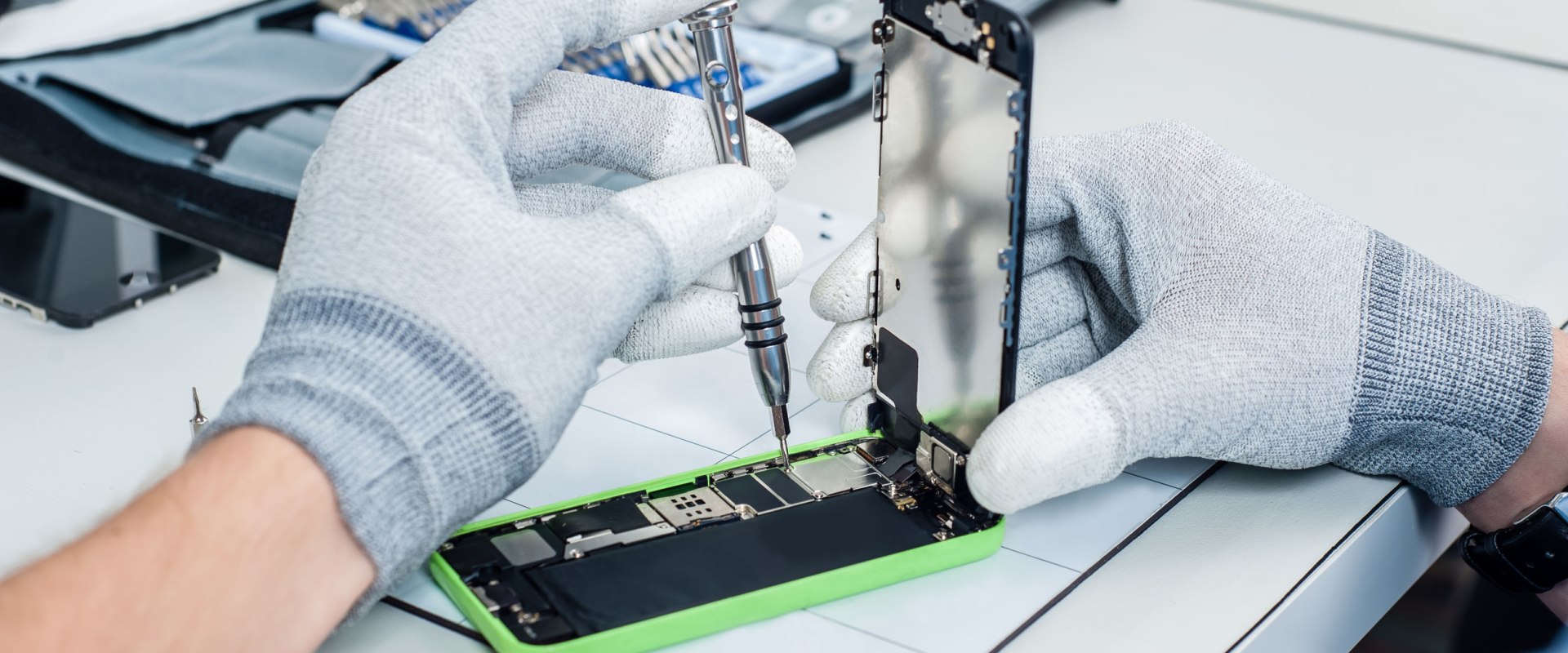
Smartphones are complex devices that can encounter various hardware failures over time. One of the most common issues users face is screen damage. Whether it's a cracked screen from a fall or scratches that affect visibility, these physical damages can severely hinder the usability of your device. If you notice significant cracks or display issues, it's crucial to assess whether the damage can be repaired with a simple screen protector or if it requires a full screen replacement. Another frequent hardware problem is unresponsive buttons.If your power button, volume controls, or home button aren’t functioning properly, it can be incredibly frustrating. Before seeking professional help, try cleaning around the buttons with a soft cloth to remove any debris that may be causing the issue. If the problem persists, it may indicate a deeper hardware failure that requires expert intervention. In cases of severe hardware failures, such as water damage or battery swelling, seeking professional help immediately is essential. Ignoring these signs can lead to further complications and even potential hazards.
Always consult a certified technician to evaluate the damage and recommend appropriate solutions.
Battery Life Issues
Battery life issues are among the most common problems smartphone users face today. As we rely heavily on our devices for communication, entertainment, and productivity, encountering a drained battery can be incredibly frustrating. Understanding the causes of battery drain is crucial for effective troubleshooting. One primary cause of rapid battery depletion is excessive app usage. Many applications run in the background, consuming resources even when not actively in use.To identify which apps are draining your battery, navigate to your phone's settings and check the battery usage section. Here, you can see a list of apps ranked by their power consumption. Another factor contributing to poor battery life is screen brightness. Keeping your screen at maximum brightness or using high-resolution settings can significantly impact battery longevity. Consider adjusting the screen brightness manually or enabling adaptive brightness, which automatically adjusts based on ambient light conditions. Additionally, background location tracking can be a silent battery drainer.
Applications that utilize GPS services continuously can lead to substantial power loss. To optimize this, review your app permissions and disable location services for apps that do not need it. Finally, check if your smartphone's software is up to date. Manufacturers frequently release updates that improve battery performance and address bugs related to power consumption. Keeping your device updated ensures you benefit from these enhancements. By following these troubleshooting steps, you can effectively manage your smartphone's battery life and reduce the frustrations associated with frequent charging.
Where to Find User Manuals
Locating the official user manual for your specific smartphone model can be a straightforward process if you know where to look.Many manufacturers provide their user manuals online, allowing users to access them anytime without the need for a physical copy. Here are some steps to guide you in finding your smartphone's user manual:Many manufacturers provide their user manuals online, allowing users to access them anytime without the need for a physical copy. Here are some steps to guide you in finding your smartphone's user manual:1.Visit the Manufacturer's Website: Start by visiting the official website of your smartphone's manufacturer. Most companies have a dedicated section for support or customer service where you can find user manuals. Look for links labeled 'Support,' 'Downloads,' or 'User Manuals.'2.Use the Search Function: Once on the manufacturer's support page, utilize their search function.
Enter your smartphone model number or name in the search bar. This will help you quickly locate the specific manual associated with your device.
3.Check the Product Page:
If you're unable to find the manual through the support section, try navigating to the product page for your smartphone model. Often, manufacturers list downloadable manuals directly on the product page.4.Explore Third-Party Websites:
While official websites are the best source for user manuals, various third-party websites compile manuals for different smartphone brands and models. Websites like manualslib.com and manualsdir.com can be valuable resources if you're having trouble finding what you need.5.Contact Customer Support:
If all else fails and you still cannot locate the manual, consider reaching out to the manufacturer's customer support team.They can provide you with direct links or even email you a copy of the user manual. Having easy access to your smartphone's user manual is crucial for troubleshooting issues effectively. By following these steps, you'll be better equipped to find the information you need to resolve any problems you encounter.
Software Glitches
Smartphones, while incredibly powerful and convenient, are not immune to software glitches. These issues can manifest in various forms, such as app crashes, freezing screens, or unresponsive interfaces. Understanding these common software problems is essential for a smooth smartphone experience. One of the most prevalent issues users face is app crashes.This can occur when an application fails to function as intended, often resulting in sudden closures or error messages. To tackle this problem, start by clearing the app's cache. This action can eliminate temporary files that may be causing the application to misbehave. To do this, go to your device's settings, select 'Apps', find the problematic app, and choose 'Clear Cache'.If clearing the cache does not resolve the issue, consider updating the app or reinstalling it.
An outdated version of an app might be incompatible with your current operating system. Ensuring that all your apps are up to date can significantly reduce the chances of encountering crashes. Another common software glitch is a frozen screen. When your smartphone becomes unresponsive, try performing a soft reset. This process varies by device but usually involves holding down the power button and volume buttons simultaneously until the device restarts.
This method can help refresh the system without losing any data. If your phone continues to freeze or lag frequently, it might be time to consider a factory reset. A factory reset restores your device to its original settings, erasing all data and installed apps. Before proceeding with this option, ensure that you back up important information. To perform a factory reset, navigate to 'Settings', then 'System', and select 'Reset Options'.
Choose 'Erase All Data' to complete the process. In summary, addressing software glitches requires a combination of quick fixes and thorough troubleshooting methods. By following these steps, users can regain control over their smartphones and enhance their overall experience.
Connectivity Problems
In today’s world, staying connected is crucial, and connectivity problems can be incredibly frustrating. Users often rely on their smartphones for everything from social media updates to important work communications. However, when you experience issues with Wi-Fi, Bluetooth, or cellular connections, it can disrupt your daily routine.Here are some common connectivity problems and their solutions.
Wi-Fi Issues:
If your smartphone isn’t connecting to Wi-Fi, the first step is to check if the problem lies with your router. Restart the router and ensure that other devices can connect to it. If the issue persists, try forgetting the Wi-Fi network on your smartphone and reconnecting. Go to Settings > Wi-Fi, select your network, and choose Forget.Then, reconnect by entering the password.
Bluetooth Problems:
If you're having trouble with Bluetooth connections, ensure that both devices are within range and that Bluetooth is enabled on both. Sometimes, simply turning Bluetooth off and back on can resolve the issue. If that doesn’t work, try unpairing the device and then re-pairing it. Go to Settings > Bluetooth, select the device, and choose Forget.After that, initiate pairing again.
Cellular Connection Issues:
When your cellular connection is weak or nonexistent, start by checking if you have any network outages in your area. You can do this by contacting your service provider or checking their website. If there are no outages, try toggling Airplane Mode on and off in your settings. This can help reset your connection to the nearest cell tower.Additionally, resetting your network settings may also help—this option can be found under Settings > General Management > Reset.By following these troubleshooting tips, you can effectively address common connectivity issues and keep your smartphone running smoothly. In conclusion, troubleshooting your smartphone can often feel like a daunting task, but with the right approach and knowledge, it becomes manageable.
Smartphone troubleshooting tips
are essential tools that empower users to address common issues such as battery life problems, connectivity issues, software glitches, and hardware failures. By taking the time to understand your device and applying these tips, you can save yourself from unnecessary frustration and potential repair costs. We encourage you to take a proactive stance in maintaining your smartphone. Familiarize yourself with the settings and features of your device, and make use of the resources available, including user manuals and online guides.When you feel confident in your troubleshooting skills, you'll be better equipped to tackle any issue that arises before having to seek professional help. Remember, your smartphone is an integral part of your daily life, and knowing how to troubleshoot common problems can enhance your experience and keep your device running smoothly.