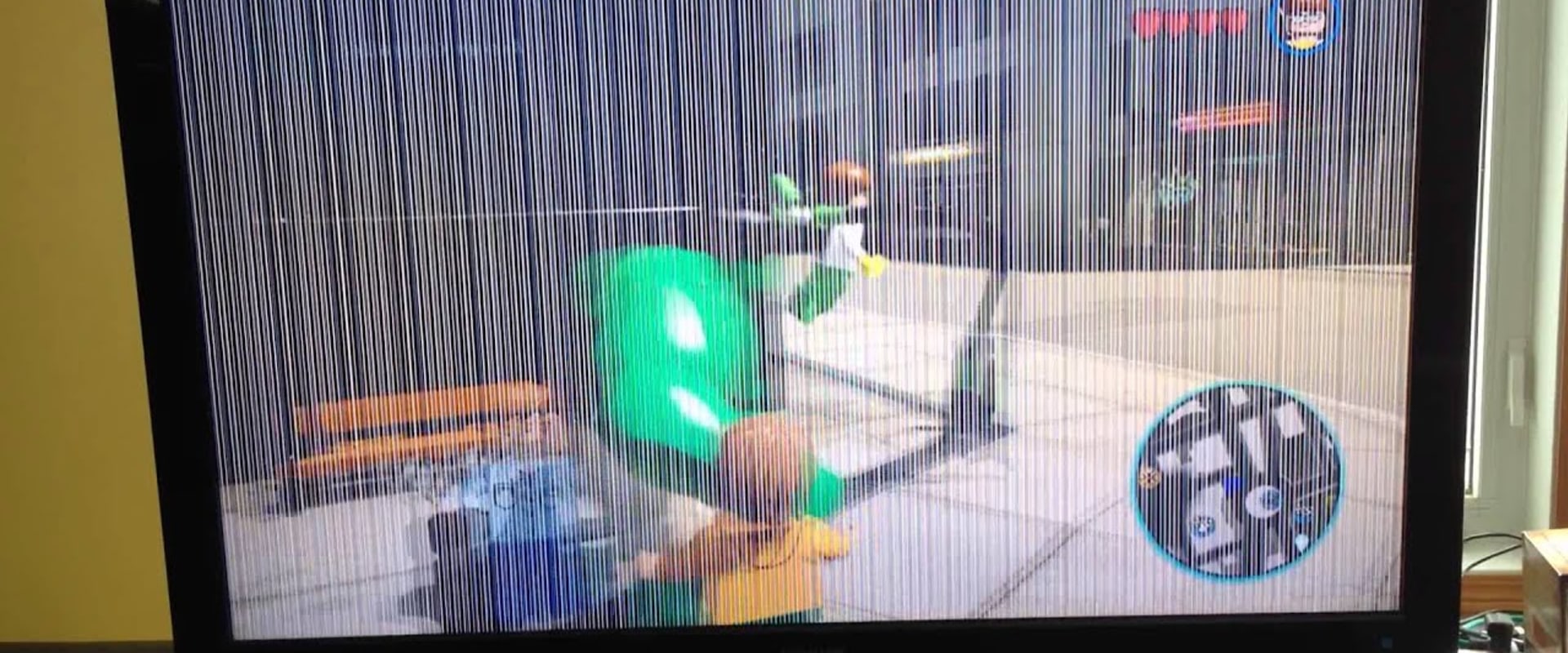
Are you tired of squinting at a TV display that seems more like a puzzle than a picture? You’re not alone! Many viewers encounter frustrating TV display issues that can disrupt their entertainment experience. Whether it's a flickering screen, strange colors, or no signal at all, these problems can turn your cozy movie night into a tech nightmare. But fear not! In this guide, we’ll delve into the common culprits behind these vexing display issues and provide you with simple yet effective fixes to restore your television to its former glory. Understanding the root cause of your TV display problems is crucial. Sometimes, it might be as straightforward as adjusting a few settings or checking your connections.
Other times, it may require a more in-depth approach. No matter the case, our goal is to empower you with the knowledge and tools you need to troubleshoot these issues confidently. So grab your remote and let’s embark on this journey to transform those frustrating moments into seamless viewing pleasure!Are you tired of staring at a flickering screen or struggling with color distortions on your beloved television? You're not alone! Many viewers encounter frustrating TV display issues that can ruin their entertainment experience. Whether it's the dreaded black screen, unexpected pixelation, or any other visual glitch, these problems can be both annoying and puzzling.
In this comprehensive guide, we will explore a variety of common TV display issues and provide you with effective fixes to restore your viewing pleasure. Understanding the technical aspects behind these display problems is essential for every TV owner. With numerous factors at play—from cable connections to settings adjustments—figuring out the root cause can feel overwhelming. That’s why we’ve compiled a list of solutions that cater to various types of displays and setups. Our aim is to empower you with the knowledge to troubleshoot and resolve these issues quickly and effectively. Get ready to dive into practical tips and tricks that will help you reclaim your TV's pristine picture quality.
Whether you're a tech-savvy enthusiast or a casual viewer, our guide is tailored to assist everyone. So, grab your remote and let’s start troubleshooting those pesky TV display issues!Having a well-functioning TV display is crucial for an enjoyable viewing experience. When you encounter TV display issues, it can be frustrating, but many problems are often straightforward to fix with the right guidance. This article will outline several common types of display issues and provide step-by-step troubleshooting instructions, useful tips, and resources for user manuals to help you resolve your specific problems. One of the most common issues is having no signal.
This can manifest as a blank screen or a message indicating that there is no input detected. To troubleshoot this issue, first, check all cable connections to ensure that they are secure and properly inserted into the correct ports. If you are using an HDMI cable, try switching to a different HDMI port or using a different HDMI cable to rule out a faulty connection. Additionally, ensure that the correct input source is selected on your TV remote.
If these steps do not resolve the issue, consult your user manual for model-specific troubleshooting tips. Another frequent problem is screen flickering. This can be caused by a variety of factors, including poor cable connections or interference from electronic devices nearby. To address flickering, start by checking all cable connections again and ensuring that they are not damaged. You can also try turning off other electronic devices that might be causing interference.
If the flickering persists, adjust the refresh rate settings in your TV's menu. For some models, updating the firmware may also help resolve this issue.
Color distortion
is another display issue that many users face. This problem can manifest as unnatural colors or incorrect hues on the screen. To troubleshoot color distortion, first check your TV's picture settings.Adjusting settings like brightness, contrast, and color saturation may help restore accurate colors. If you have recently connected new devices or cables, verify that they are compatible with your TV and that they are functioning correctly. Like with other issues, consulting the user manual for specific instructions tailored to your TV model is essential. Additionally, users may experience problems like black screens or image retention. A black screen can sometimes be resolved by performing a power cycle—turn off the TV, unplug it for a minute, and then plug it back in.
For image retention, especially in OLED TVs, try displaying static images or use built-in screen savers to mitigate the issue. Understanding potential causes behind these issues can also help in troubleshooting effectively. For example, compatibility issues often arise from using older cables with newer technology. Always ensure that your cables meet the specifications required by your TV model. Furthermore, environmental factors such as lighting conditions or proximity to other electronic devices can contribute to display problems. It’s important to emphasize the value of consulting user manuals for detailed troubleshooting steps specific to your TV model.
Many manufacturers provide downloadable manuals on their websites, which can be invaluable resources when addressing complex problems. Common tools you might need during troubleshooting include a screwdriver for adjusting screws on the back panel of the TV or a spare HDMI cable for testing connections. Lastly, it's crucial to recognize that different types of TVs—such as LCD, LED, and OLED—may require different troubleshooting methods. For instance, OLED TVs tend to have unique characteristics that can lead to specific issues like burn-in or image retention that are less common with LCDs and LEDs. Therefore, understanding your TV type can significantly aid in diagnosing and fixing display issues efficiently. By following these guidelines and utilizing available resources, you'll be better equipped to tackle common TV display issues.
Remember that patience is key when troubleshooting; take your time to methodically check each potential cause before moving on to more complex solutions. Having a fully functioning TV display is crucial for an enjoyable viewing experience, as it brings your favorite shows, movies, and games to life. However, many users encounter various TV display issues that can be quite frustrating. Fortunately, most of these problems are straightforward to address with the right guidance. This article will outline some common display issues you may face, provide clear troubleshooting steps, and discuss potential causes behind each issue. One of the most common issues is no signal.
This can happen for various reasons, such as a loose cable connection or incorrect input settings. To troubleshoot this issue, start by checking all cable connections to ensure they are secure. Look for any damaged cables, especially HDMI or coaxial cables, and consider replacing them if necessary. Next, verify that your TV is set to the correct input source.
Use your remote to cycle through available inputs until you find the one displaying your content. If the problem persists, try connecting your device to a different HDMI port or testing it on another TV to determine if the issue lies with the TV or the source device. Another common display issue is screen flickering. This problem can often be attributed to interference from other electronic devices or a faulty HDMI cable. To fix screen flickering, start by disconnecting any nearby devices that may be causing interference, such as wireless routers or speakers.
If the flickering continues, try using a different HDMI cable to see if that resolves the issue. Additionally, check your TV settings; some TVs have settings like motion smoothing or energy-saving modes that can cause flickering when enabled. Adjusting these settings may help eliminate the flicker.
Color distortion
is also an issue that many users encounter. This can manifest as overly saturated colors or a complete lack of color in some areas of the screen.To troubleshoot color distortion, first access your TV’s picture settings menu and reset it to factory defaults. If that does not solve the problem, check the HDMI or component cables for any signs of wear or damage. Additionally, ensure that your source device’s output settings match your TV’s capabilities; for instance, using a non-4K source on a 4K TV without proper settings can lead to color issues. Other display problems may include black screens, where no image appears at all, or image retention, where remnants of previously displayed images linger on-screen. For a black screen issue, ensure that your TV is powered on and check for any error messages on the screen.
Try power cycling your TV by unplugging it for a minute before plugging it back in. If image retention occurs, often seen in OLED screens, consider changing the content displayed for a while or running a pixel refresher if your model includes this feature. It’s essential to understand that each type of TV—be it LCD, LED, or OLED—may have unique troubleshooting steps due to their differing technologies. For instance, OLEDs may require specific adjustments for burn-in issues that are not applicable to LCDs or LEDs. Therefore, consulting your TV's user manual is vital for model-specific advice and troubleshooting steps. When attempting these fixes, you may need some basic tools like a screwdriver for accessing screws on back panels or a replacement HDMI cable.
If you don’t have a physical manual handy, many manufacturers offer downloadable versions of their user manuals online. Websites like the manufacturer's support page often provide resources where you can find manuals by searching for your model number. In conclusion, while TV display issues can be annoying, they are often manageable with systematic troubleshooting approaches. By following the steps outlined above and utilizing user manuals for specific guidance, you can effectively diagnose and fix many common problems. Remember that understanding the type of TV you own will also play a significant role in troubleshooting effectively.
When to Seek Professional Help
While many TV display issues fixes can be tackled with some basic troubleshooting steps, there are certain situations where seeking professional help is advisable.If you notice that your TV display is experiencing persistent problems, such as flickering screens, color distortions, or complete blackouts, it may be time to consult an expert. Additionally, if your TV shows physical damage, like cracks or severe screen burns, these issues often require specialized repair services that go beyond basic home fixes. Furthermore, if you've attempted various TV display issues fixes and the problems persist despite following the instructions provided in user manuals or troubleshooting guides, professional assistance may be the best course of action. Another key indicator that it might be time to contact support is when your TV is still under warranty. In this case, seeking help from the manufacturer can save you repair costs and ensure that any repairs or replacements are handled correctly. Remember, while DIY solutions can be effective for many common problems, some issues may require the expertise of a qualified technician to ensure safe and proper repairs.
Consulting User Manuals
When it comes to resolving TV display issues, one of the most valuable resources at your disposal is the user manual that came with your television. User manuals are designed to provide detailed guidance on operating your TV, troubleshooting common problems, and understanding the various settings available. To find your user manual, you can start by checking the original packaging or any printed materials that accompanied your TV.If you can’t locate a physical copy, most manufacturers provide digital versions on their websites. Simply search for your TV model number along with the term 'user manual' in your preferred search engine to find the appropriate document. Once you have accessed the user manual, look for sections related to display issues. Many manuals include troubleshooting guides that outline step-by-step solutions for common problems such as screen flickering, color distortion, or no picture display. Pay attention to any specific settings recommended by the manufacturer, as they can vary between different models. Additionally, user manuals often include diagrams and illustrations that help clarify how to adjust settings or perform necessary repairs.
If you encounter an issue that isn’t covered in the manual, many manufacturers also offer online support forums and customer service contact options where you can seek further assistance. In conclusion, consulting your user manual is an essential step in effectively addressing TV display issues. By utilizing this resource, you can gain insights tailored specifically for your model, making it easier to troubleshoot and resolve problems quickly.
Identifying Common Display Issues
When it comes to troubleshooting your TV, the first step is identifying common display issues. Users can often recognize these problems by observing specific symptoms that may indicate underlying faults with the display. One of the most frequent issues is a black screen. This problem can occur for several reasons, including power supply issues, cable connectivity problems, or internal component failures.If the screen remains black despite the TV being powered on and connected to a source, further investigation is necessary. Another common issue is flickering or flashing screens. This symptom may be caused by poor HDMI connections, refresh rate settings that are incompatible with the source device, or even defects in the screen itself. If you notice your picture constantly flickering, it is important to check your connections first. If you see pixelation or a distorted image, this could be due to a weak signal from the source device, such as a cable box or streaming device. Additionally, settings related to picture quality may need adjustment, or there could be interference affecting the signal quality. Lastly, color issues, such as washed-out colors or incorrect hues, can also disrupt your viewing experience.
These problems might stem from incorrect picture settings or faulty cables. Checking your TV's color calibration and replacing any damaged cables can often resolve these issues. By recognizing these symptoms, users can effectively diagnose their TV's display problems and take the necessary steps towards fixing them.
Consulting User Manuals
When encountering TV display issues, one of the most valuable resources at your disposal is the user manual for your specific television model. User manuals are designed to provide detailed guidance on setup, troubleshooting, and optimal usage of your device. They can be particularly helpful for diagnosing and fixing display problems. To find your TV's user manual, start by checking the manufacturer's website.Most brands offer downloadable versions of their manuals in PDF format, allowing you to access them from any device. Simply enter your TV model number into the search bar to locate the correct manual. Once you have the user manual, look for sections specifically addressing display issues. This may include troubleshooting tips for common problems such as flickering screens, color distortion, or no picture at all. Manuals often contain flowcharts or checklists that can guide you through the process of identifying and resolving issues step by step. If your manual is not readily available online, consider contacting the manufacturer's customer support.
They can provide you with a digital copy or direct you to online resources that may help. In addition to troubleshooting steps, user manuals may also include important information about warranty coverage and repair services, which can be crucial if the issue cannot be resolved through simple fixes. Overall, consulting your TV's user manual is an essential step in effectively addressing and resolving display issues, ensuring you get the most out of your viewing experience.
Identifying Common Display Issues
Identifying common display issues is the first step in troubleshooting and fixing problems with your TV. Understanding the symptoms associated with various display problems can help you pinpoint the issue more effectively. Here are some of the most prevalent display issues you may encounter:No Picture: If your TV screen remains blank despite being powered on, it could indicate a problem with the power supply, connections, or the TV itself. Check if the power indicator light is on, and ensure all cables are securely connected.Flickering Screen
: A flickering display can be caused by issues such as loose connections, outdated firmware, or interference from other electronic devices.Ensure that all cables are firmly connected and consider checking for any updates available for your TV.
Distorted Colors
: If the colors on your screen appear washed out or overly saturated, it may be due to incorrect picture settings or a faulty cable. Adjusting the picture settings in the TV menu can often resolve this issue.Horizontal or Vertical Lines
: Lines running across your screen can indicate a problem with the display panel itself or an issue with the input source. Try switching input sources or using different cables to see if the issue persists.Ghosting or Blurriness
: If you notice images trailing behind fast-moving objects on the screen, this could be a result of motion blur or poor signal quality. Adjusting the motion settings on your TV may help improve clarity. By recognizing these symptoms and understanding their potential causes, you can take the necessary steps to troubleshoot your TV display issues effectively.Remember, many common problems are simple to fix and can greatly enhance your viewing experience.
When to Seek Professional Help
While many TV display issues fixes can be tackled at home, there are instances where it is wise to seek professional assistance. If your TV display is exhibiting persistent problems that do not resolve with basic troubleshooting steps, it may be time to contact support or a qualified technician. Here are some key indicators that suggest you should consider professional help:- Severe Physical Damage: If your TV screen has cracks, significant scratches, or other visible damage, attempting to fix it yourself could lead to further complications. In such cases, professional repair services are recommended.
- Unresponsive Controls: If the remote or buttons on the TV fail to respond after replacing batteries or resetting the device, this may indicate a deeper internal issue that requires expert diagnosis.
- Consistent Power Issues: If your TV frequently turns off unexpectedly or fails to power on altogether despite following the recommended troubleshooting methods, it is best to consult a professional.
- Complex Software Problems: Occasionally, software glitches can lead to display issues. If you have attempted factory resets and updated firmware without success, a technician may be needed to address these complexities.
Addressing complicated problems early can save you time and money in the long run.
Step-by-Step Troubleshooting
TV display issues can manifest in various ways, including flickering screens, distorted images, or no picture at all. Below are detailed steps to troubleshoot and fix some common display problems.1.Flickering Screen
: If your TV screen is flickering, start by checking the cable connections. Ensure that HDMI or any other input cables are securely connected to both the TV and the source device. If the connections are secure and the issue persists, try changing the HDMI cable or switching to a different HDMI port on the TV.If none of these steps work, perform a factory reset by going into the TV settings and selecting 'Reset to Factory Defaults'.
2.Distorted Images
: For distorted images, first check the aspect ratio settings on your TV. Navigate to the settings menu and ensure that the aspect ratio is set to '16:9' or 'Auto', depending on your content. If you are watching content from a streaming service, verify that the video quality settings are appropriately configured. If distortion continues, update your TV firmware through the settings menu.3.No Picture
: When there is no picture but audio is present, check if the TV is on the correct input source.Use the remote to cycle through available inputs until you find the one that displays your content. If there’s still no picture, try unplugging the TV for at least 10 seconds, then plug it back in. This can reset any temporary issues.
4.Color Issues
: For TVs displaying incorrect colors, check the picture settings in the menu. Adjust settings like brightness, contrast, and color levels to see if this resolves the issue.If you have recently connected a new device, ensure that its output settings match your TV’s input capabilities.
5.Screen Burn-In
: If you notice persistent images on your screen, this could be screen burn-in. To address this issue, try using a pixel refresher or screen wash feature if your TV model has it. Alternatively, display varied content to help reduce burn-in effects over time. By following these steps for each identified issue, you can effectively troubleshoot and resolve TV display issues, enhancing your overall viewing experience.Step-by-Step Troubleshooting
When facing TV display issues, it’s essential to approach the problem systematically. Below are common issues along with detailed steps to troubleshoot and fix them:1.No Picture on Screen:- Check the power status of your TV.
Ensure it is turned on and that the power indicator light is lit.
- Verify the input source by using the remote to toggle between different inputs (HDMI, AV, etc.).
- Inspect all cable connections to ensure they are secure and undamaged.
- Try a different device on the same input to rule out issues with the device itself.
- If still no picture, perform a soft reset by unplugging the TV for 60 seconds, then plugging it back in.
- Check for any loose cables and ensure they are tightly connected.
- Adjust the picture settings in the TV menu; sometimes, settings like brightness and contrast can cause flickering.
- Try changing the HDMI cable or port to see if that resolves the flicker.
- If using a streaming device, check for any software updates for both the TV and the device.
- Access the TV settings menu and reset color settings to factory defaults.
- Inspect and replace any faulty HDMI cables that might be affecting color transmission.
- Adjust color settings manually to improve visual output; increase contrast or saturation as needed.
- Check if the TV is displaying in its native resolution. Go into settings and select the appropriate resolution.
- Ensure that any external devices are also set to output in high definition.
- Look for any picture enhancement features in the settings that can help sharpen the image.
- First, try gently pressing on the affected area of the screen with a soft cloth; sometimes, this can restore functionality.
- If dead pixels persist, use pixel-fixing software available online that can cycle colors rapidly to stimulate dead pixels.
- If issues continue, refer to warranty information as you may need professional repair or replacement.
Additionally, maintaining your TV regularly can prevent many common issues from arising in the first place, ensuring a consistent and enjoyable viewing experience. In conclusion, we have explored various aspects of TV display issues fixes, covering everything from identifying common problems to step-by-step troubleshooting techniques. It is essential to remember that while many display issues can be resolved at home through simple fixes, understanding when to consult user manuals or seek professional help is crucial for maintaining your television's performance. We encourage you to keep your user manuals handy for future reference, as they can provide invaluable information tailored to your specific model. Additionally, regular maintenance of your TV can help prevent many display issues from arising in the first place. By being proactive and informed, you can significantly enhance your viewing experience and enjoy your favorite shows without the frustration of display problems.